
Bear
Come fall, when the salmon push back up the streams to spawn, you will find a black bear standing in the shallows or waiting just downstream, in no hurry at all, pulling fish out of the water while the season is good. It is the bear of this place. On Stó:lō land the Halq'eméylem word for the black bear is spá:th, and once the run is on, the streams belong to it.
A black bear can smell food from a long way off. That nose is its best tool, far sharper than a dog's, and it does most of the bear's thinking for it. The rest of the year it would honestly rather you were not around. It is powerful, it can run faster than you would guess and climb a tree without slowing down, and it spends the back half of the year eating its way toward a long winter sleep. A bear does not explain itself. It is just there, doing the next thing that needs doing. So are you.


A mother bear is the part everyone remembers. She keeps her cubs close for a year or two, teaches them where the berries are and how to fish the streams, and she will put herself between them and any trouble that comes near. In Coast Salish and other Northwest Coast cultures the bear carries that same weight. It stands for strength and protection, and it is often spoken of as a relative, a close relation who looks out for everyone else.
Steady on its feet, slow to bother, quick to protect. Spá:th stays close, and looks after its own.
In the Bear collection
10 of 10 pieces by Indigenous artists
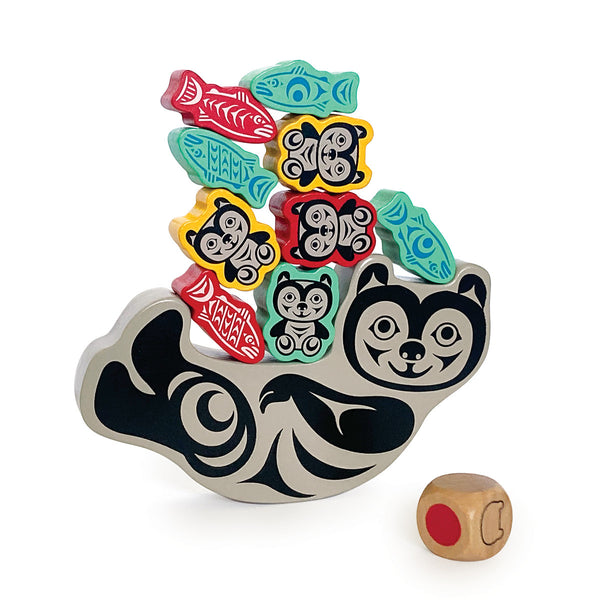
Balancing Game - Bear and Cubs
$30.00
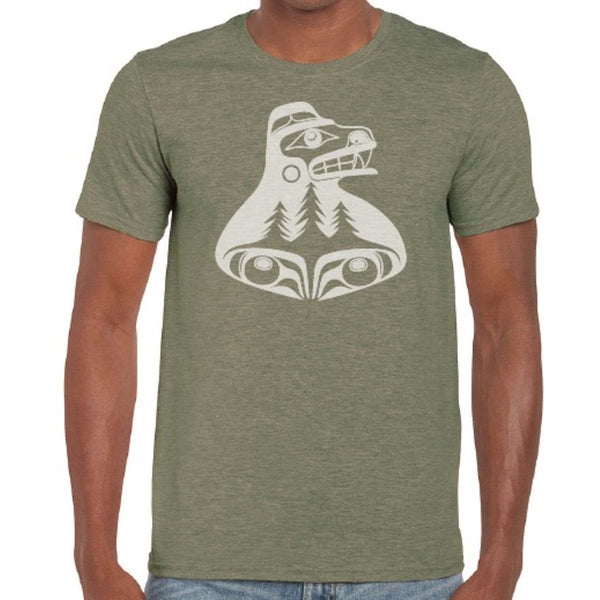
Green T-Shirt - Bear The Tree Hugger
From $27.00
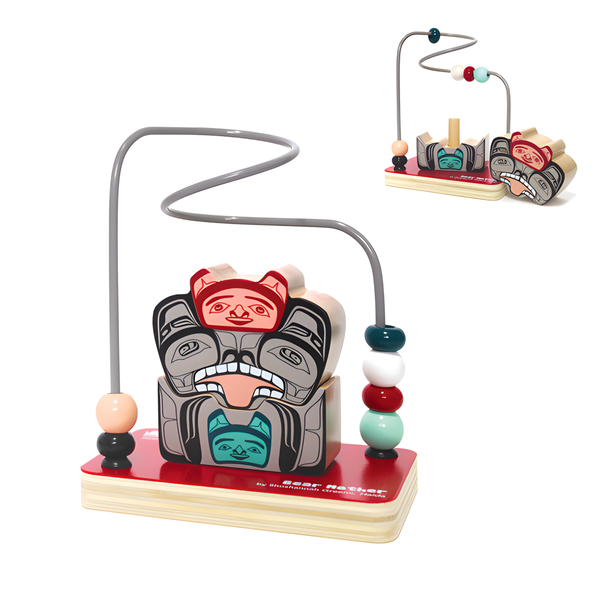
Stacking Animal Bead Mazes - Bear Mother
$17.99
Sold out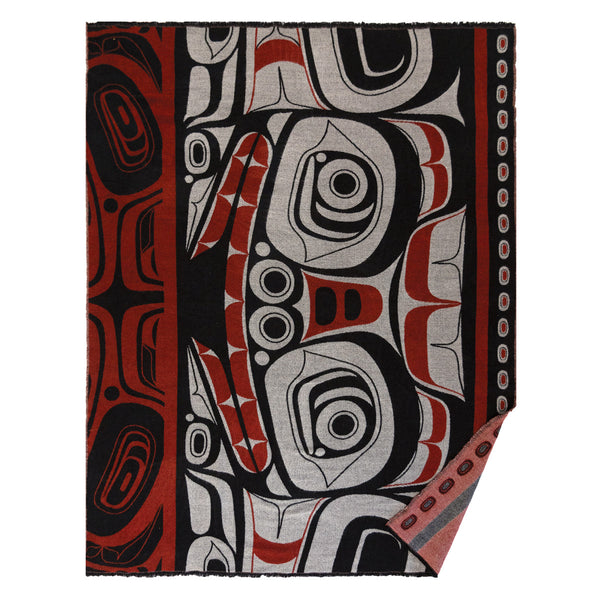
Woven Blanket - Matriarch Bear
$68.00
Sold out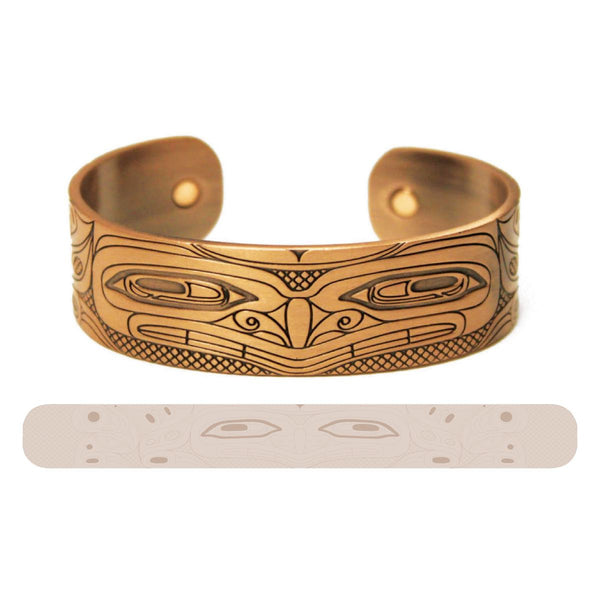
Copper Plated Bracelet - Grizzly Bear
$28.00
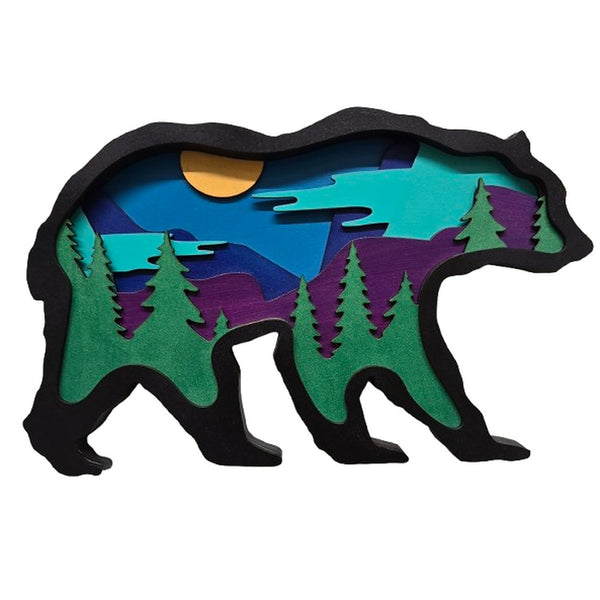
Bear Wooden Layered Art
$59.99
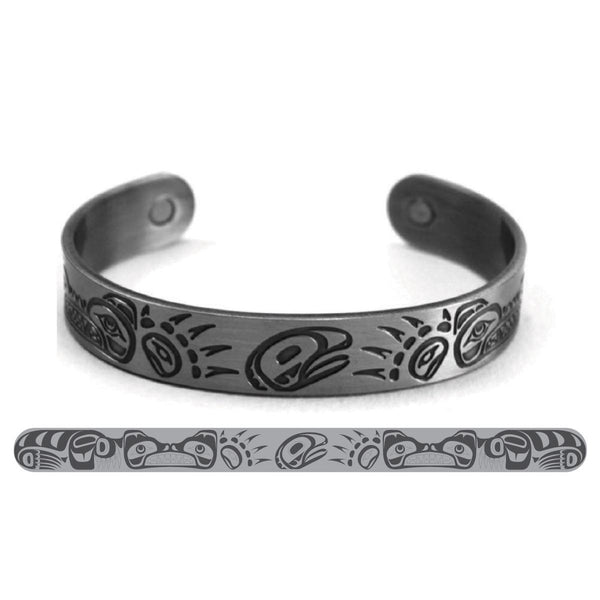
Silver Brushed Copper Bracelet - Bears
$28.00
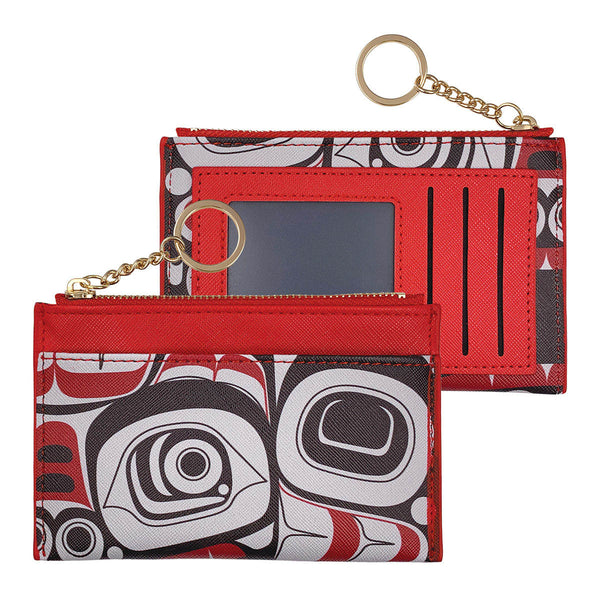
Zippered Card Wallet - Matriarch Bear
$14.99
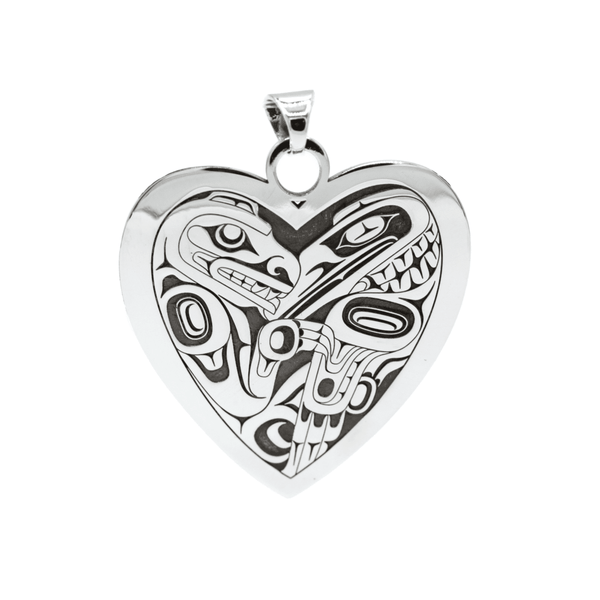
Bear Raven Heart Pendant by Ksim La'gil'ensxw
$140.00
Sold out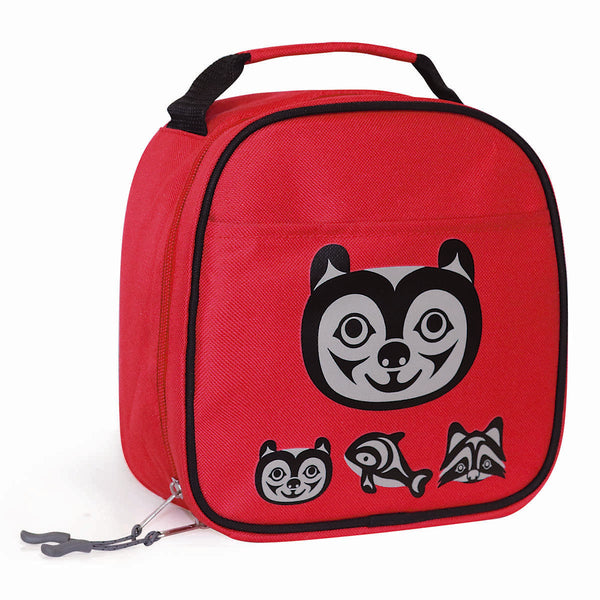
Bear and Friends Lunch Box (Clearance)
$18.99
Sold outNo products match these filters. to see everything.