
Eagle
Every winter, on Stó:lō land, Coast Salish territory, the rivers just north of us fill up with eagles. The word for eagle in Halq'eméylem, the language of the Stó:lō people, is sp'óq'es. Where the Chehalis meets the Harrison, thousands of bald eagles gather at once, one of the largest gatherings anywhere in the world, all there for the same reason: the salmon have come back, and an eagle never misses a meal that big.
They are bigger than people expect. A bald eagle sees about four times farther than you do and can pick out a fish from miles off, then drop on it without a wasted movement. That is most of what you need to know about how an eagle reads the world. The young ones are brown and scruffy and take about five years to grow into the white head everyone pictures. Until then they get mistaken for hawks, sit through it, and wait. When the run thins out and the ice loosens up north, they lift off and go, and the rivers go quiet again until next year.


In Coast Salish art the eagle stands for far sight and for leadership, the one that flies highest and sees the most. Eagle down, the soft white feathers, gets scattered in the air during dances to carry goodwill and a welcome to the people in the room. It is a bird people have always looked up to, in both senses.
There's a Halq'eméylem phrase, Lholhekw' te sp'óq'es, the eagle is flying. Stand on the bank at Harrison some cold morning and watch one come down the river, and you will understand why a bird gets that kind of high regard. It does not have to do anything but be itself, up there, in front of everyone.
In the Eagle collection
31 of 31 pieces by Indigenous artists
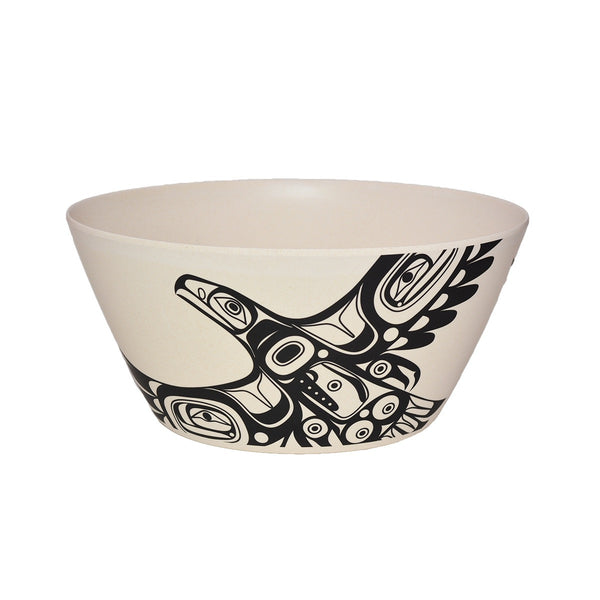
Bamboo Bowl 10” - Soaring Eagle
$33.99
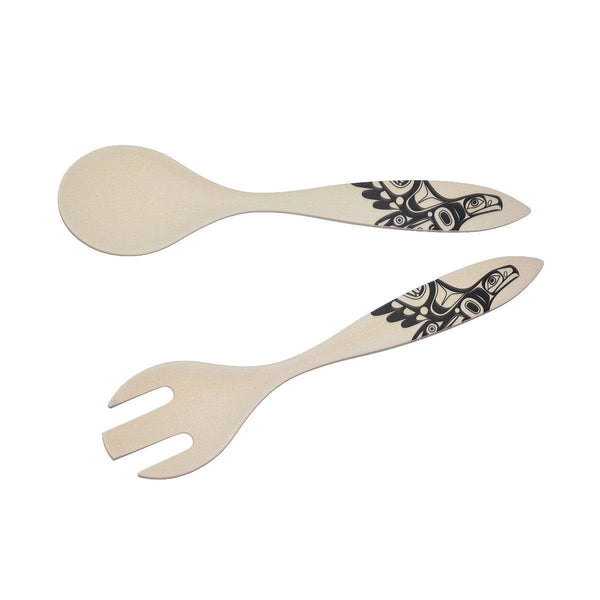
Bamboo Serving Set - Soaring Eagle
$18.99
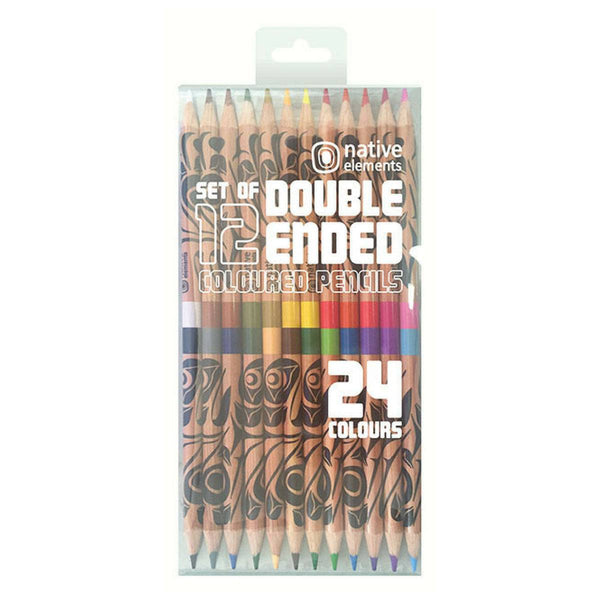
Colouring Pencils - Eagle
$14.99
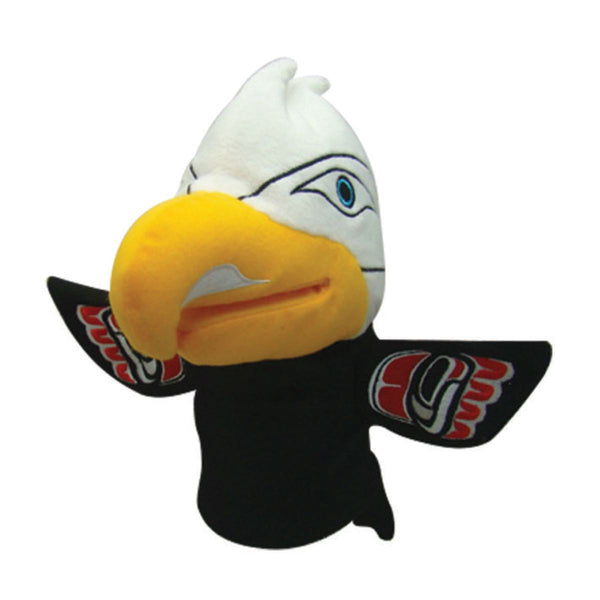
Puppet - Talon the Eagle
$32.99
Sold out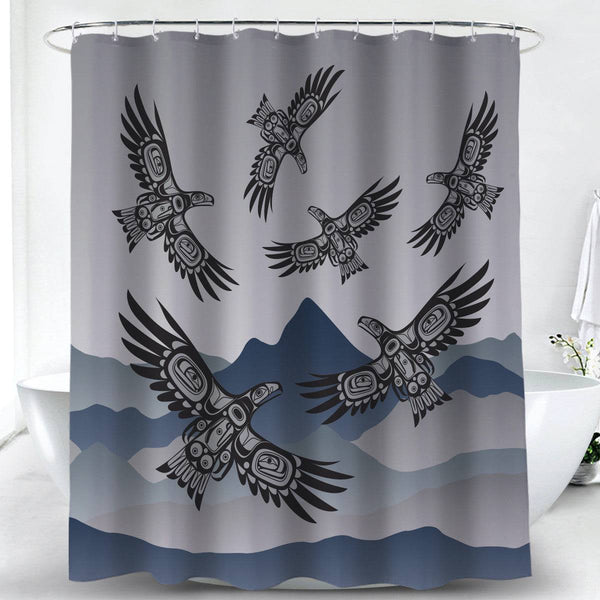
Shower Curtain - Soaring Eagle
$46.99
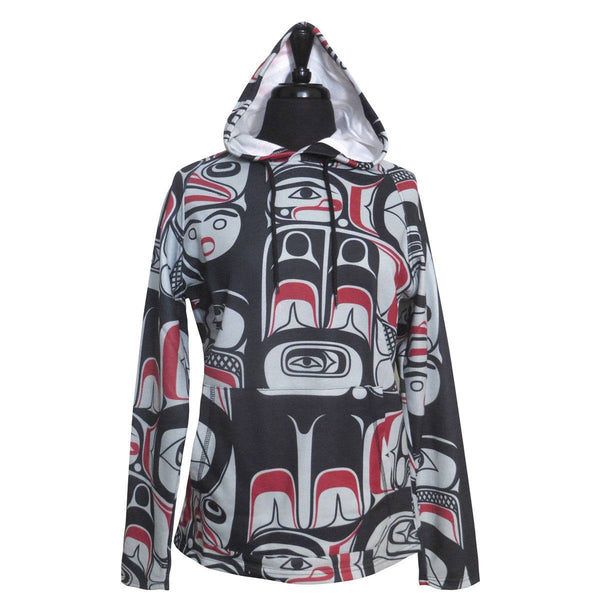
Adult Pullover Hoodie - Eagle Vision
From $35.00
Sold out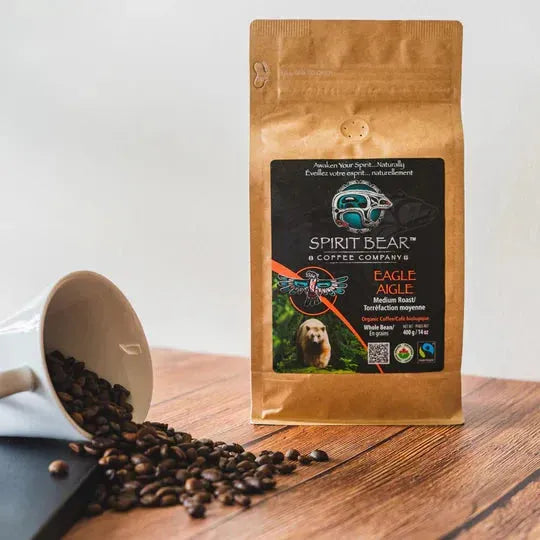
Eagle Medium Roast Coffee
$27.99
Sold out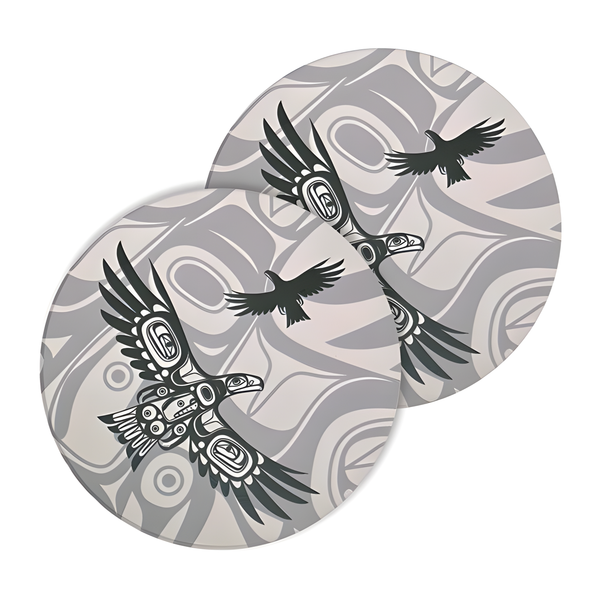
Ceramic Coasters (set of 2) - Soaring Eagle
$9.99
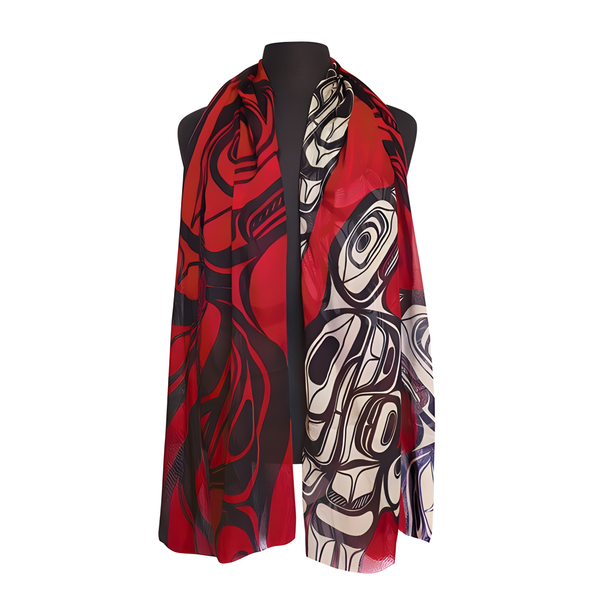
Signature Scarf - Soaring Eagle
$26.00
Sold out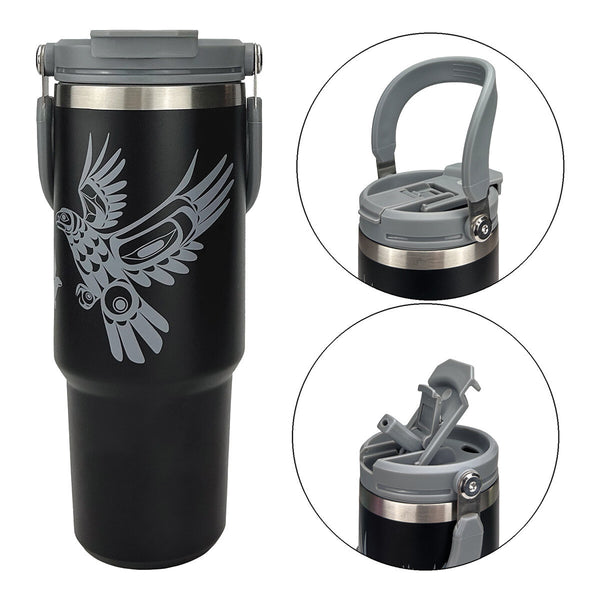
Easy-Carry Insulated Tumbler (30oz) - Eagle in Flight
$46.99
Sold out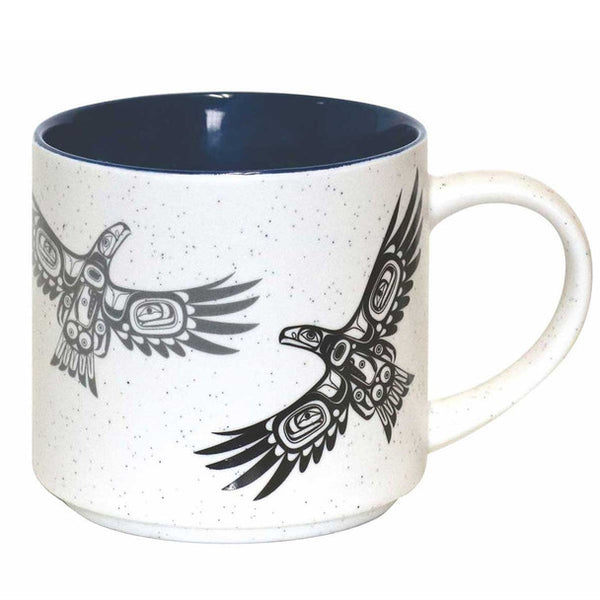
Ceramic Mug - Soaring Eagle
$16.99
Sold out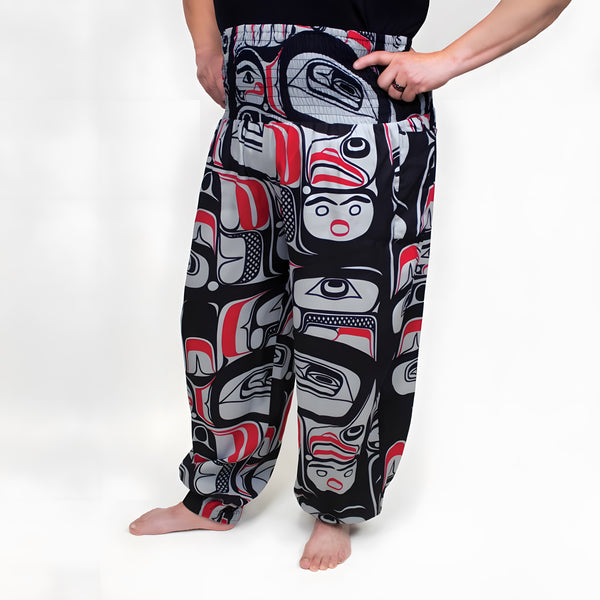
Comfy Pants - Eagle Vision
From $20.00
Sold out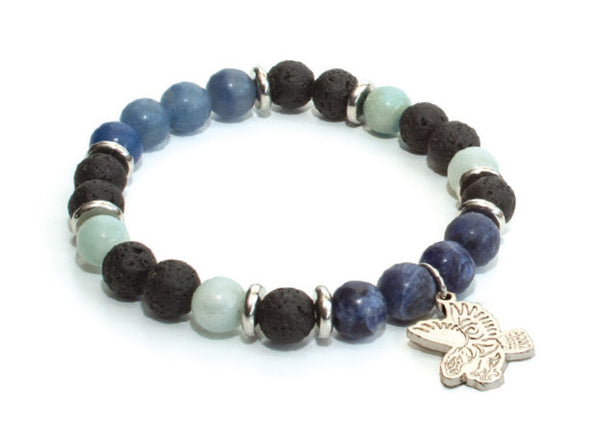
Healing Bracelet - Sp'óq'es (Eagle)
$19.99
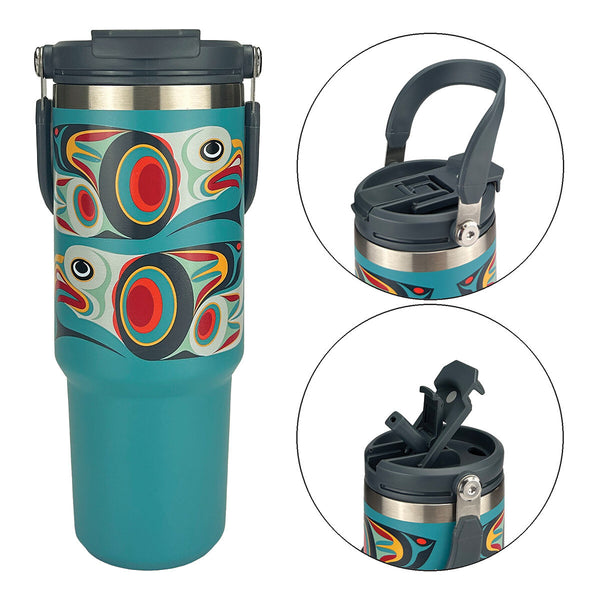
Easy-Carry Insulated Tumbler (30oz) - Eagle
$46.99
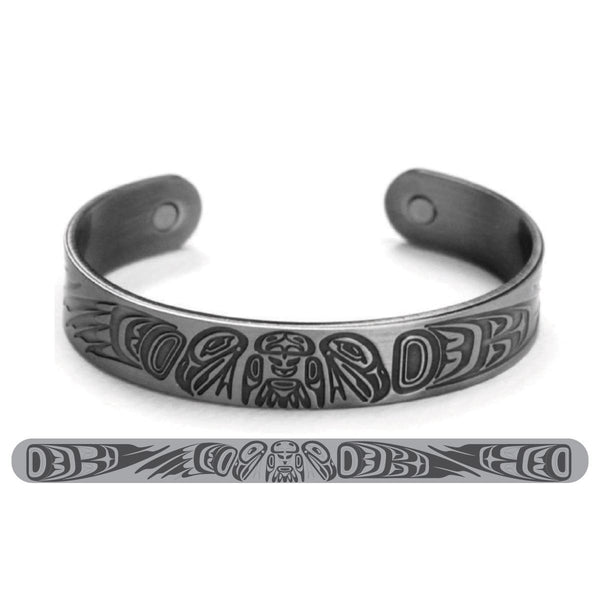
Silver Brushed Copper Bracelet - 2 Eagles
$28.00
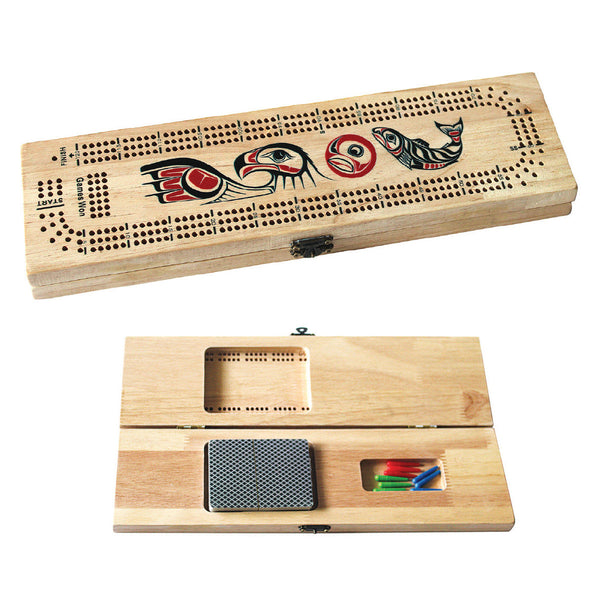
3-Track Cribbage Board - Eagle & Salmon by Paul Windsor
$36.99
Sold out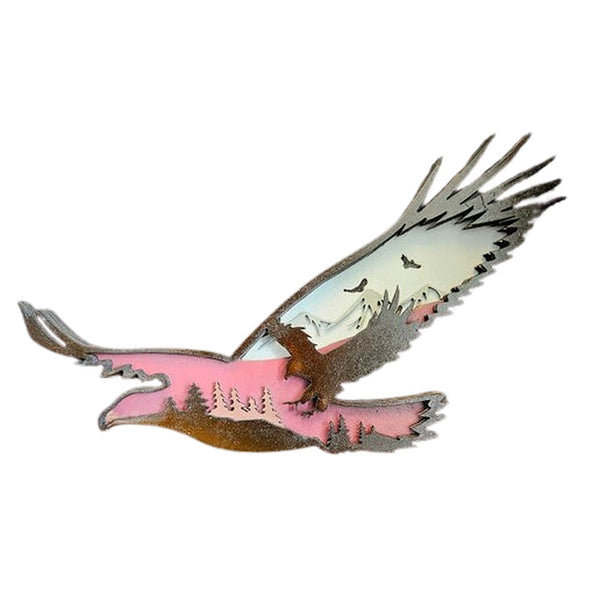
Eagle Wooden Layered Art
$49.99
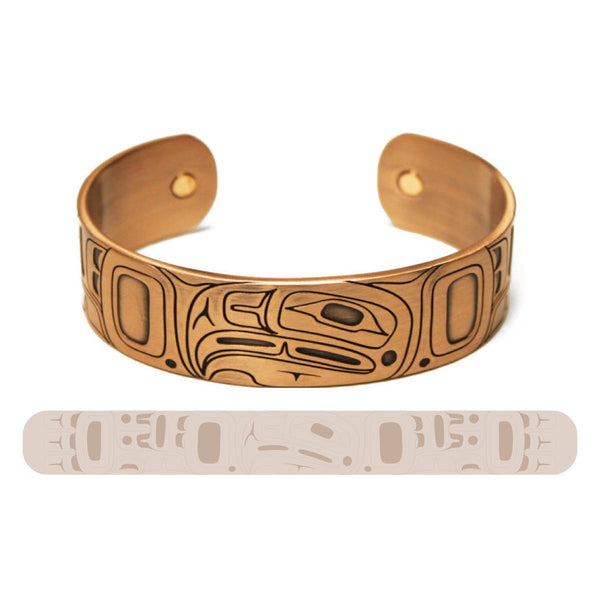
Copper Plated Bracelet - Eagle
$28.00
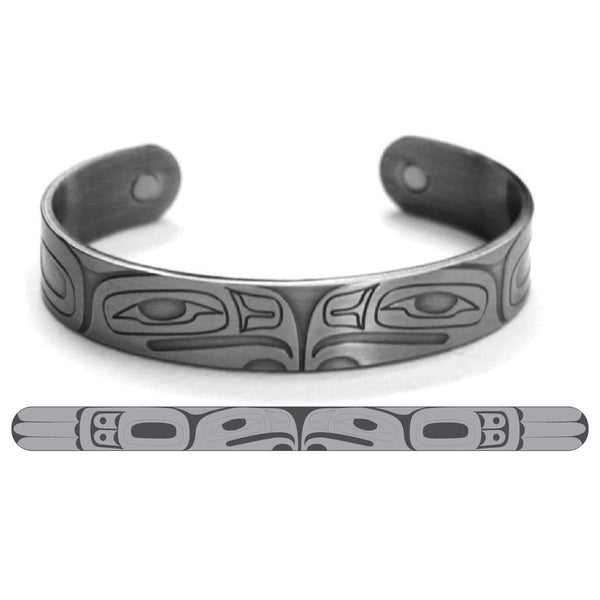
Silver Brushed Copper Bracelet - Eagle
$28.00
Sold out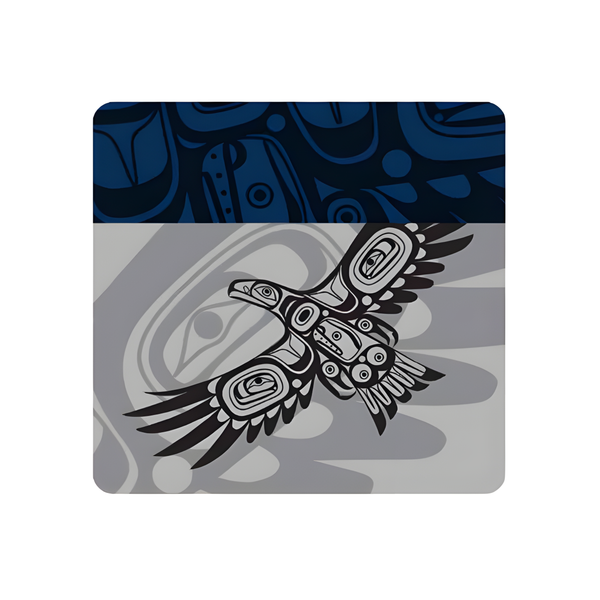
Cork-Backed Coaster - Soaring Eagle
$2.99
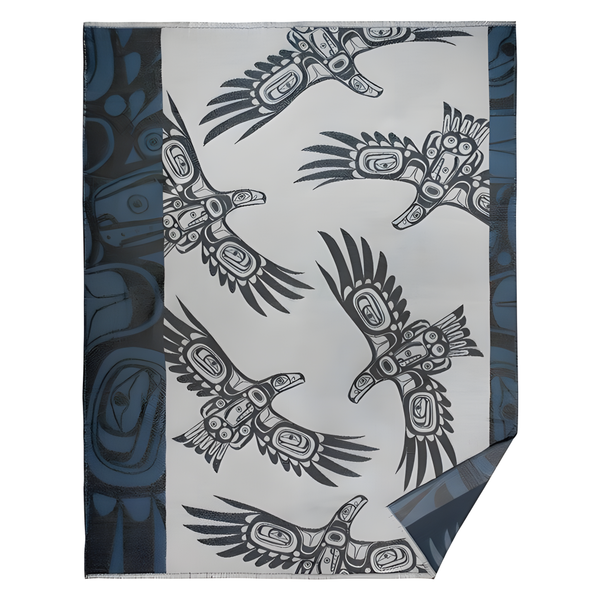
Woven Blanket - Soaring Eagle
$68.00
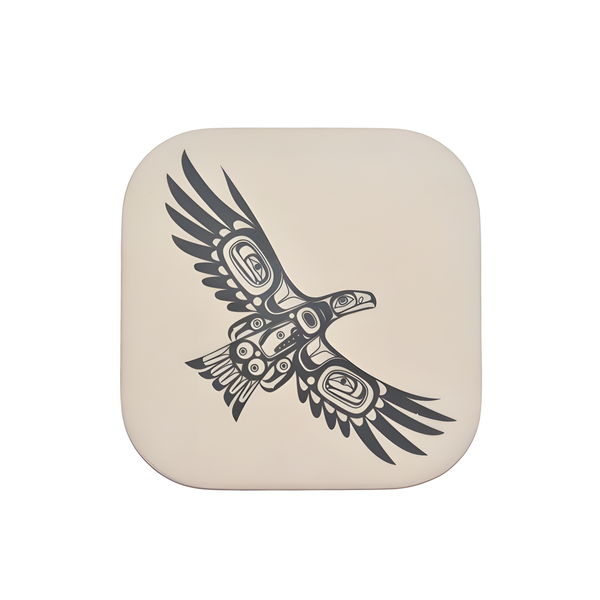
4 Pack Bamboo Coasters - Soaring Eagle
$18.99
Sold out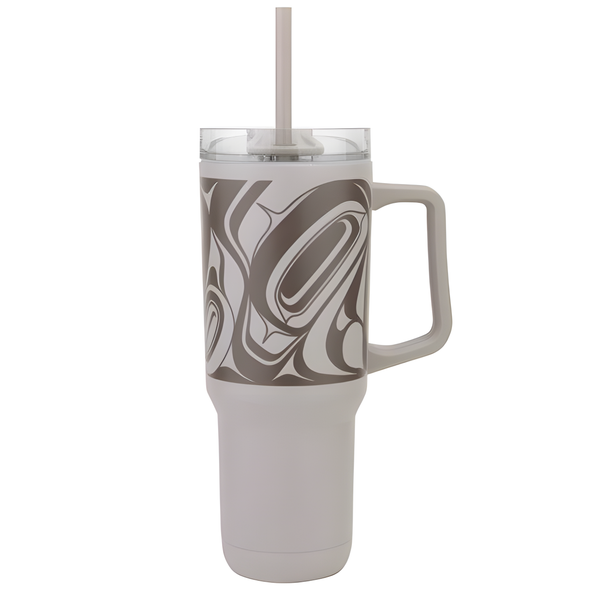
40oz Insulated Tumbler with Straw - Eagle
$48.99
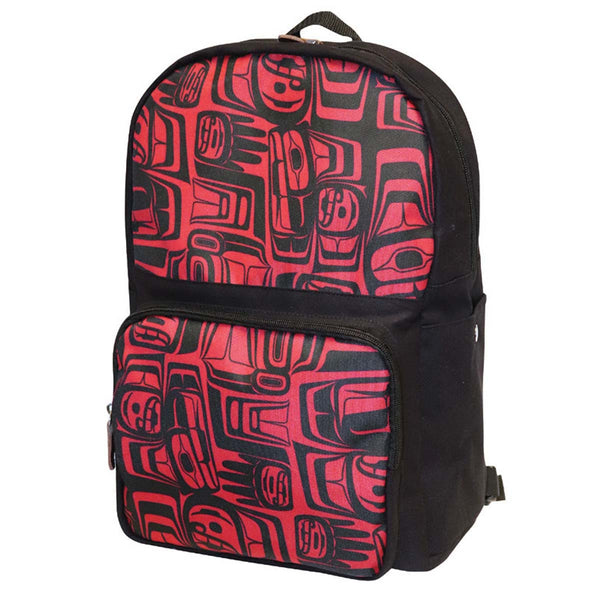
Backpack - Eagle Crest
$42.99
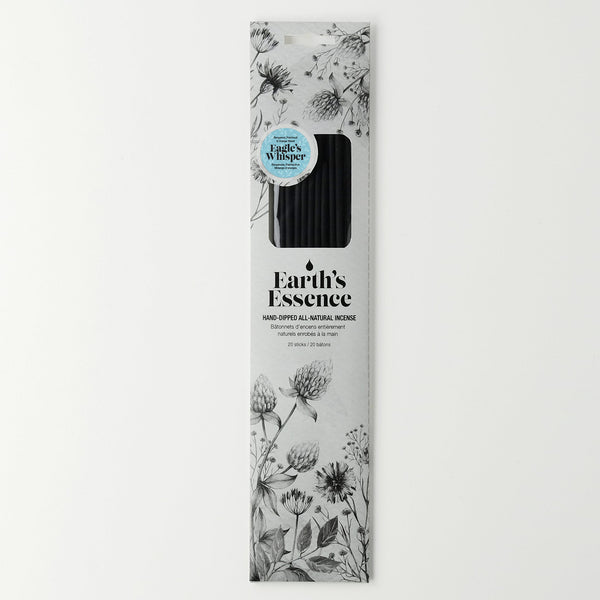
Eagle's Whisper Incense Sticks (Bergamot / Patchouli / Orange)
$8.50
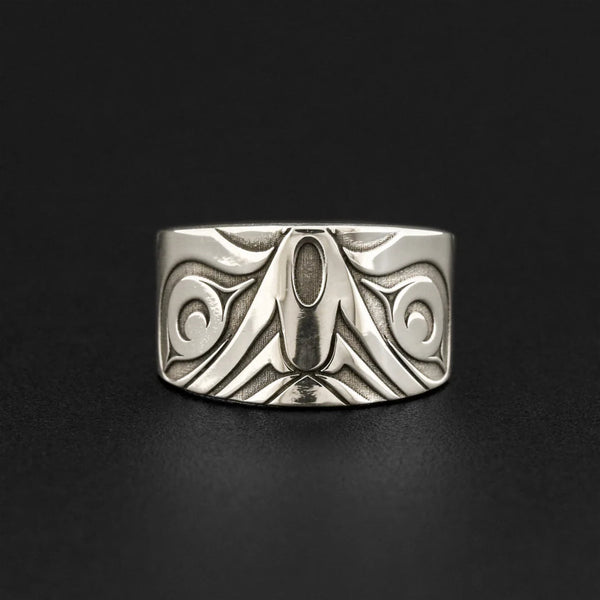
Eagle Ring by John Velten
$220.00
Sold out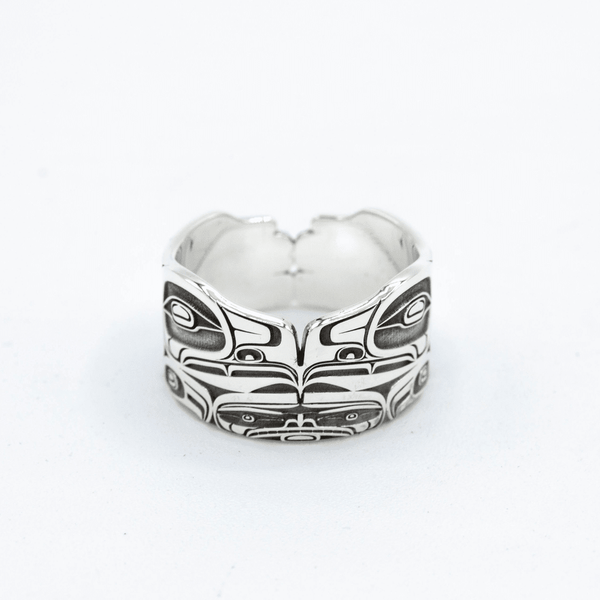
Double Eagle Ring by Kolten Grant
$225.00
Sold out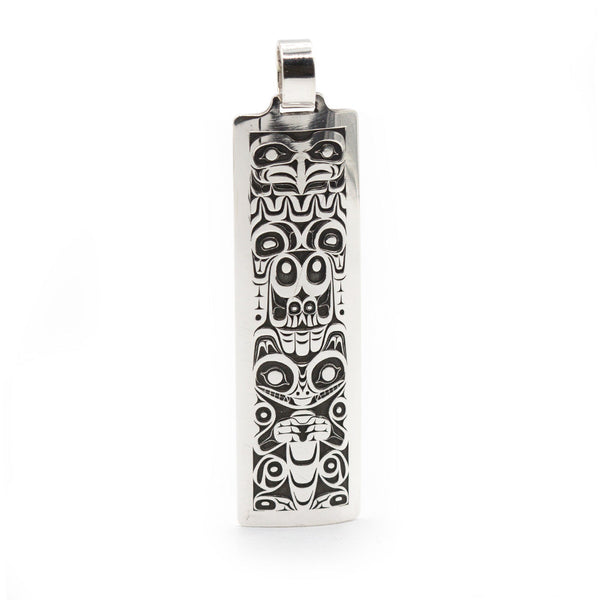
Eagle and Wolf Pendant by John Velten
$250.00
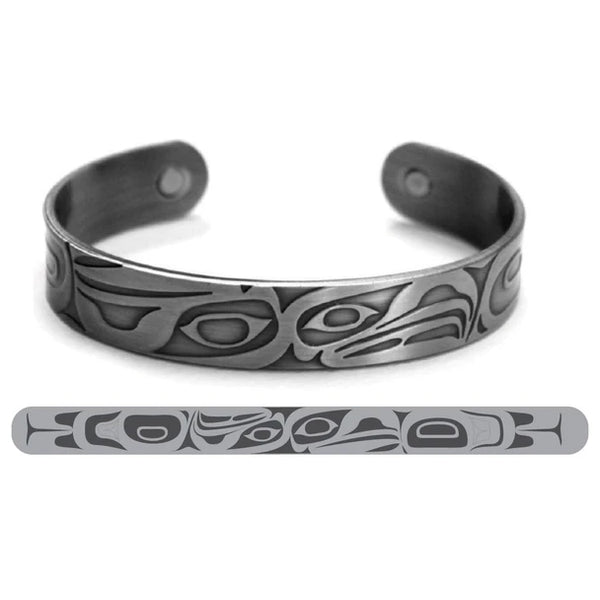
Silver Brushed Copper Bracelet - Eagle Raven
$28.00
Sold out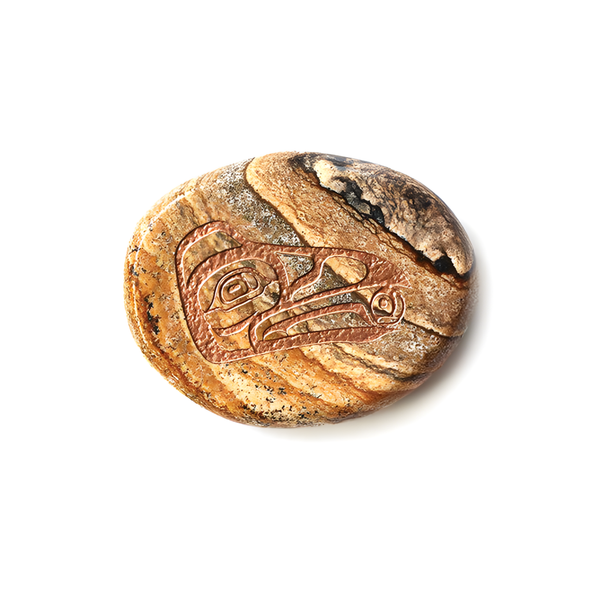
Spirit Stone - Picture Jasper Raven and Light
$7.99
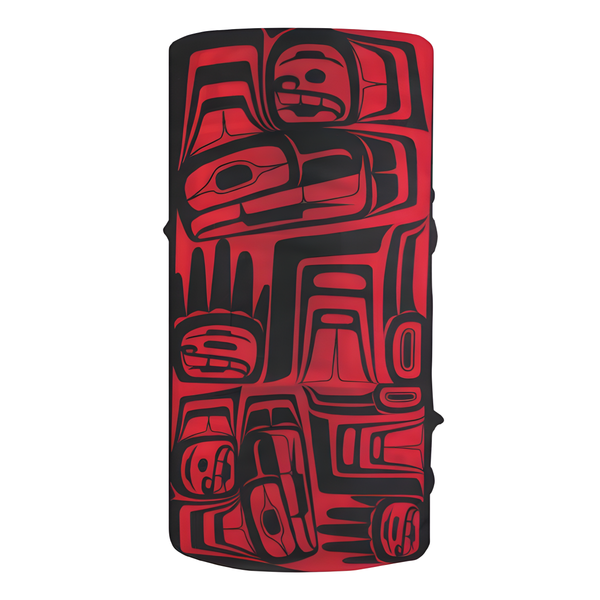
Multifunctional Headwear - Eagle Crest
$15.00
Sold outNo products match these filters. to see everything.