
Wolf
At dusk a howl lifts off the treeline and hangs there, and before it has faded another one answers, and then another, until the whole valley is passing the sound around. That is a pack keeping track of itself across ground most animals would never try to cover. The word for wolf in Halq'eméylem is steqó:ya, and the first thing to know about it is that it does almost nothing alone.
A wolf is a family animal first. The pack is usually a parent pair and their young, five or six in all, and they raise the pups together and travel and hunt as one. The wolves of this coast live right by the ocean and take a good part of what they eat from it. They dig clams out of the sand, crack mussels open, and swim long stretches of cold channel between islands, treating open water as a road instead of a wall.


That loyalty is the whole of it. The wolf stands for family, for the strength of the pack, the one who stays close and guides and protects its own. It travels the distance, it answers when it is called, and it does not leave anyone behind.
The wolf is for the person who shows up for their people. That is steqó:ya.
In the Wolf collection
17 of 17 pieces by Indigenous artists
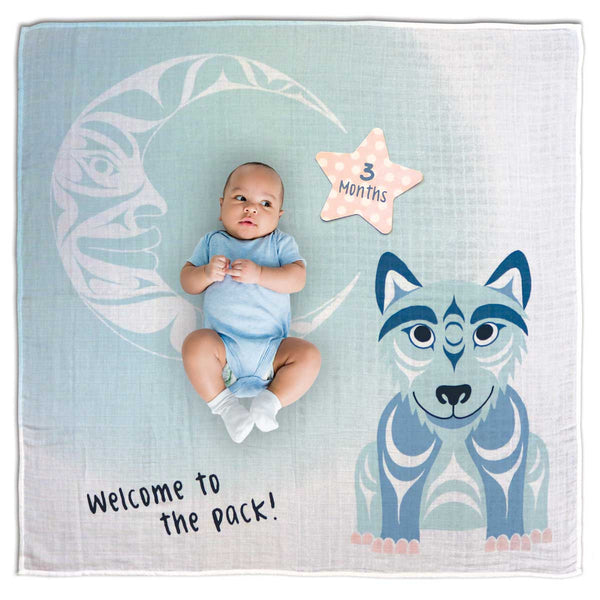
Baby Blanket and Milestone Sets - Wolf
$34.99
Sold out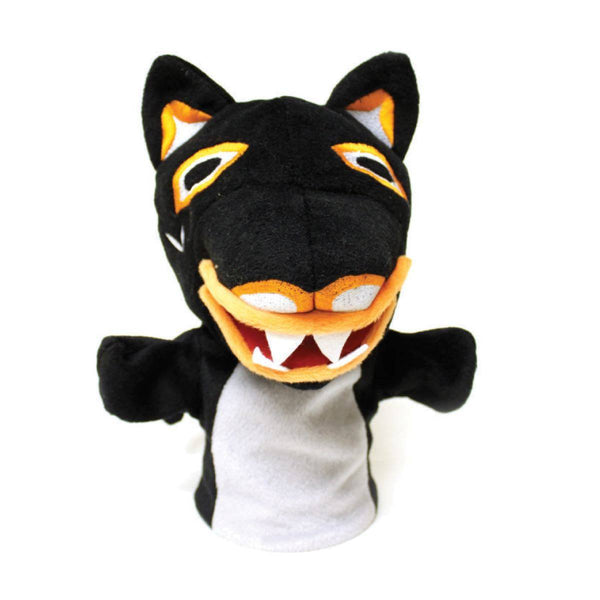
Puppet - Howler the Wolf
$32.99
Sold out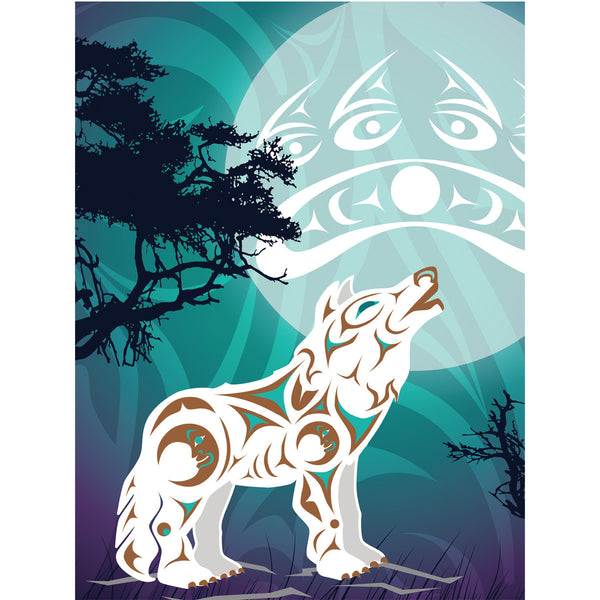
Folding Card - Howling Wolf
$5.99
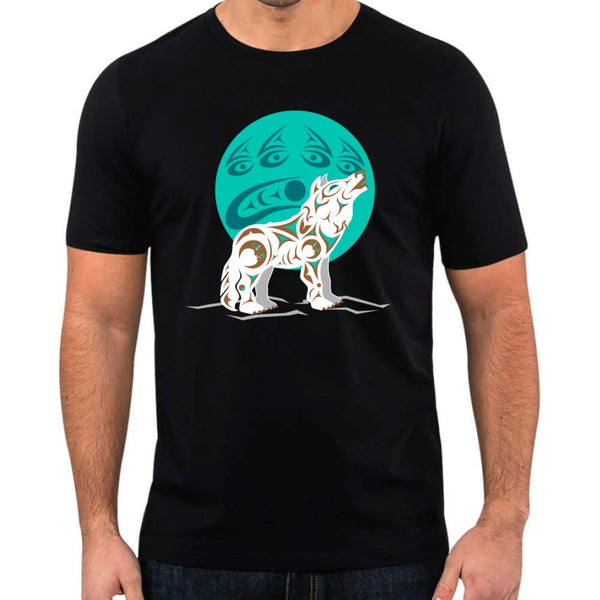
T-shirt - Howling Wolf
From $27.00
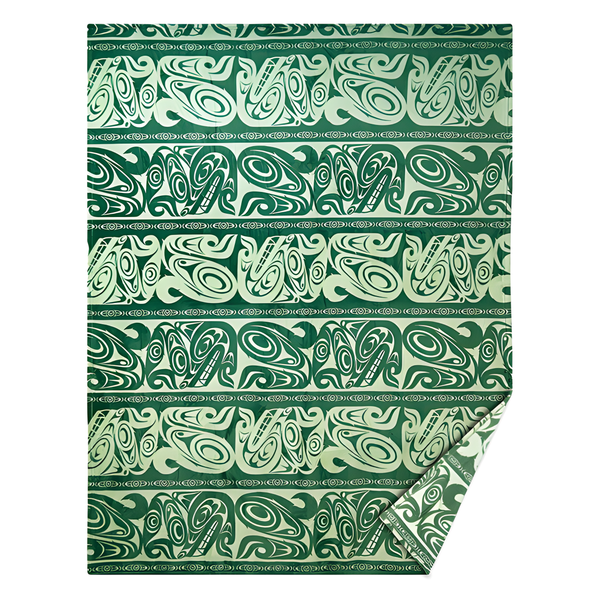
Fleece Blanket - Urban Wolf
$35.00
Sold out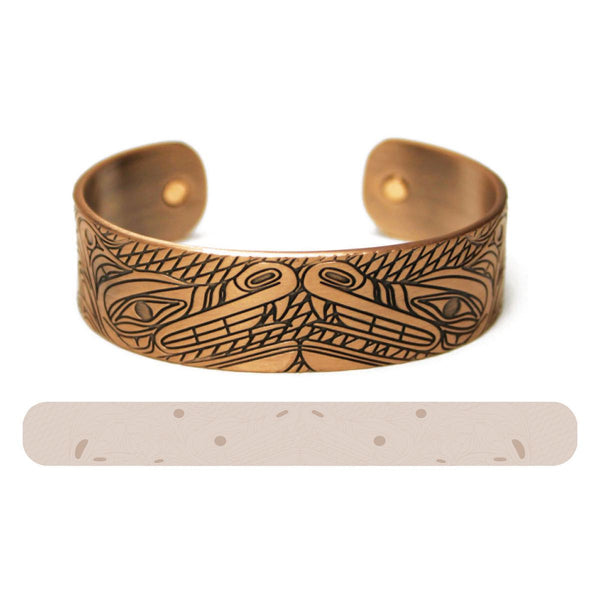
Copper Plated Bracelet - Wolves
$28.00
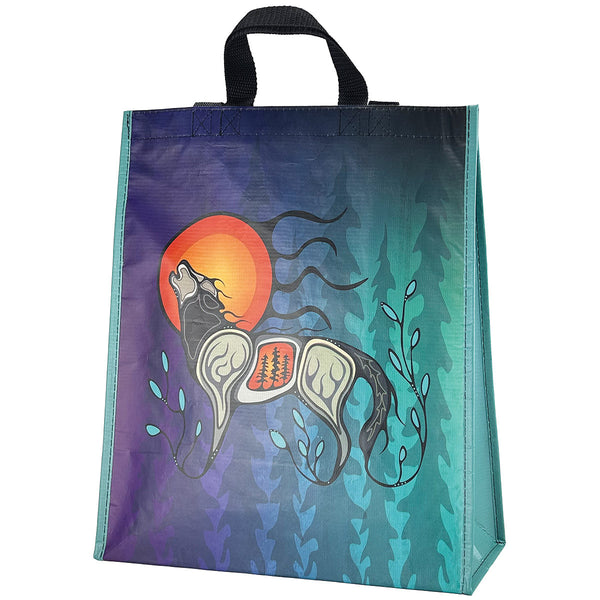
Eco Bag Large - Wolf (Ma'iingan)
$9.99
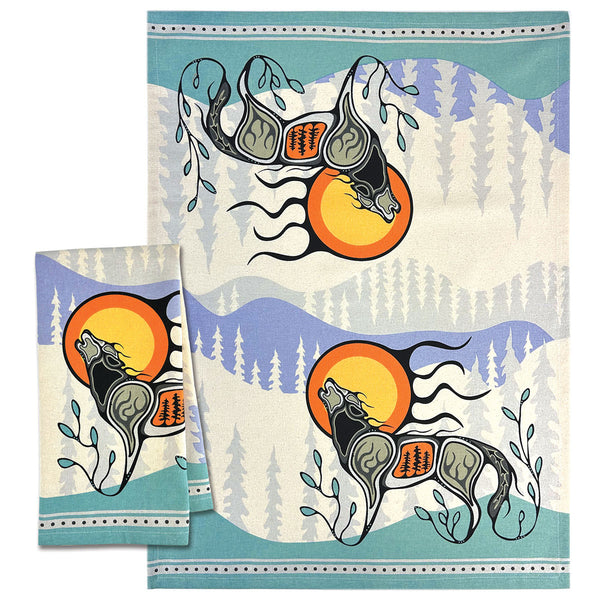
Printed Tea Towel - Wolf (Ma'iingan)
$13.99
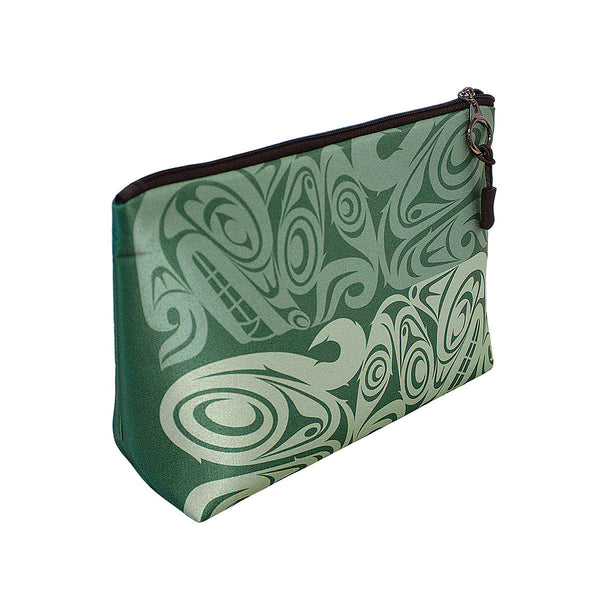
Handy Pouch - Urban Wolf
$16.99
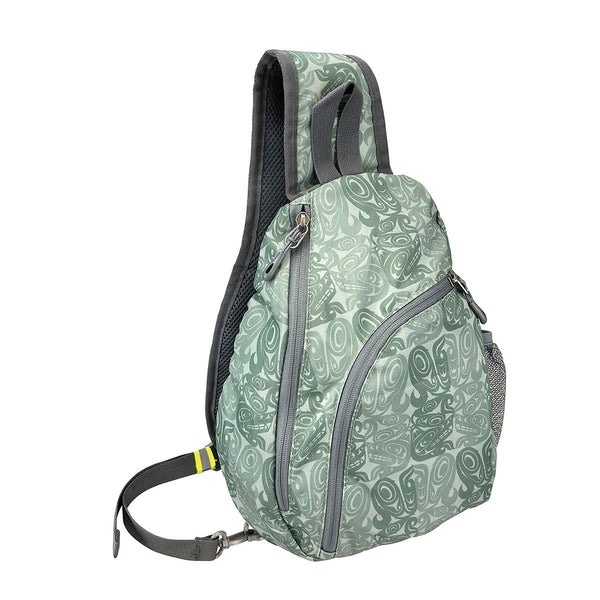
Sling Pack - Urban Wolf
$48.99
Sold out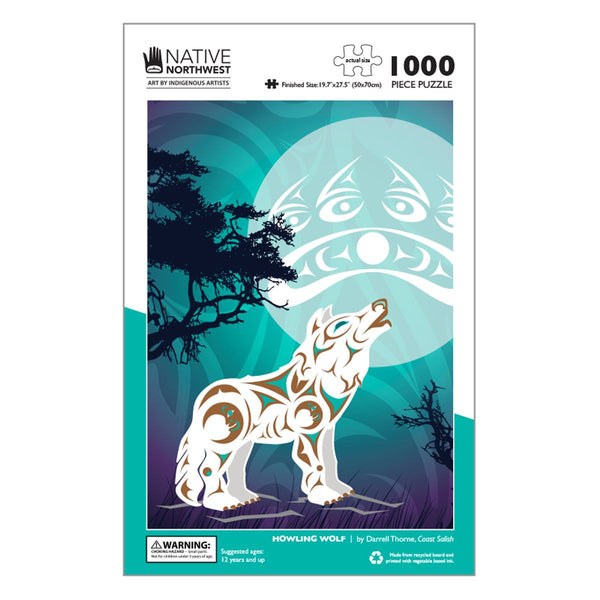
1000 Piece Jigsaw Puzzle - Howling Wolf
$25.99
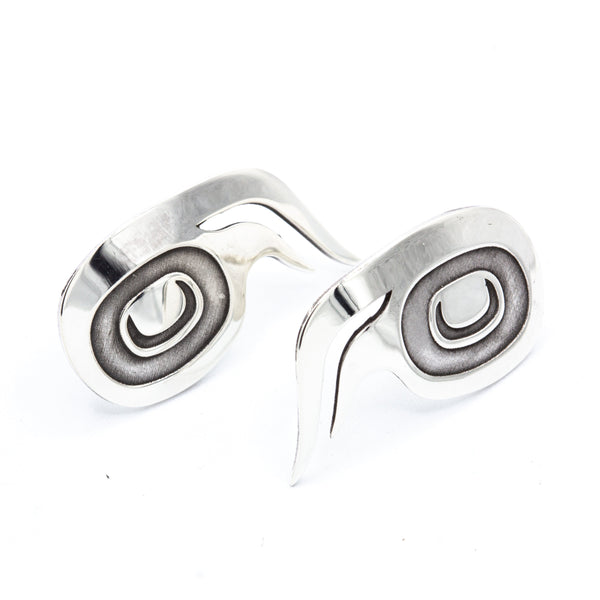
Wolf Claw Studs by Danika Saunders
$140.00
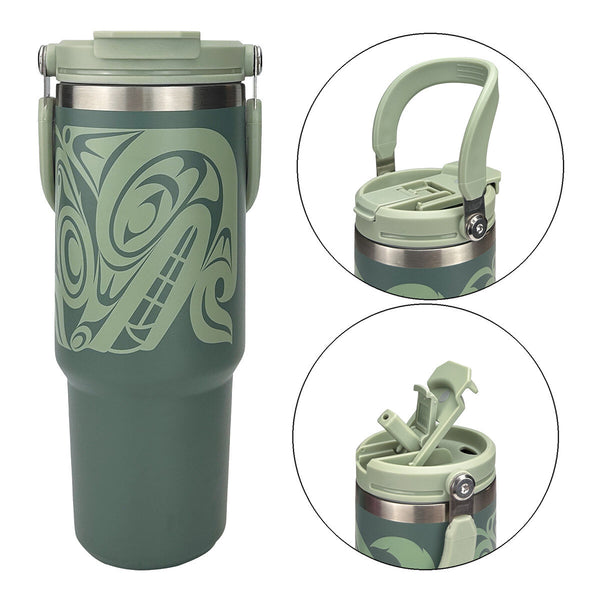
Easy-Carry Insulated Tumbler (30oz) - Urban Wolf
$46.99
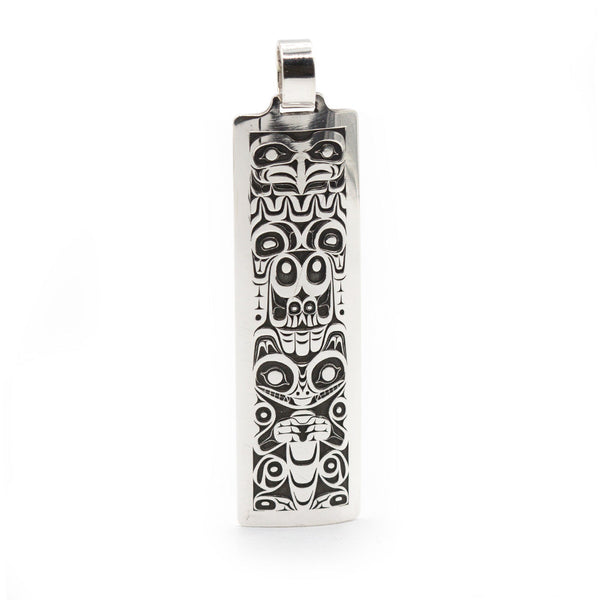
Eagle and Wolf Pendant by John Velten
$250.00
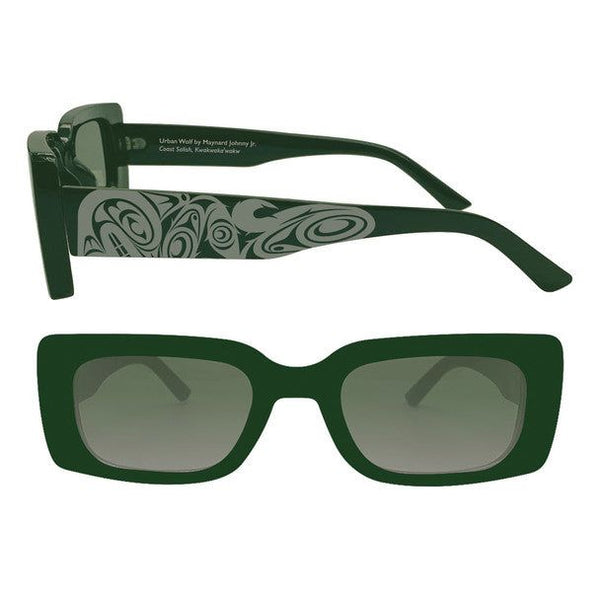
Sunglasses (Rectangular Frames) - Urban Wolf
$22.00
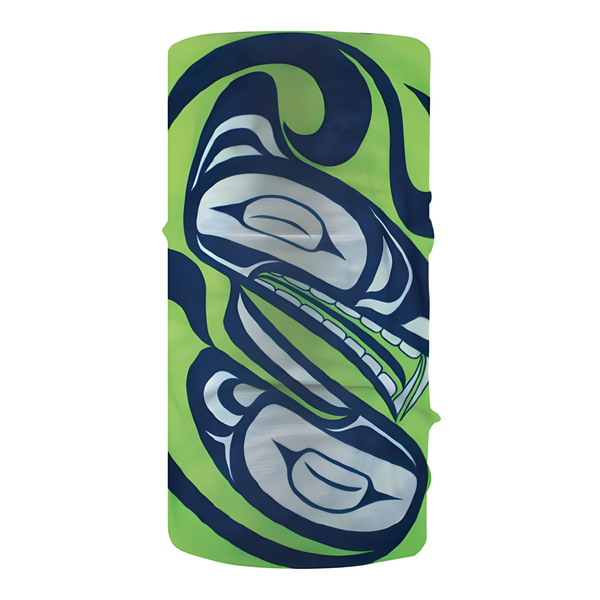
Multifunctional Headwear - Wolf and Frog
$15.00
Sold out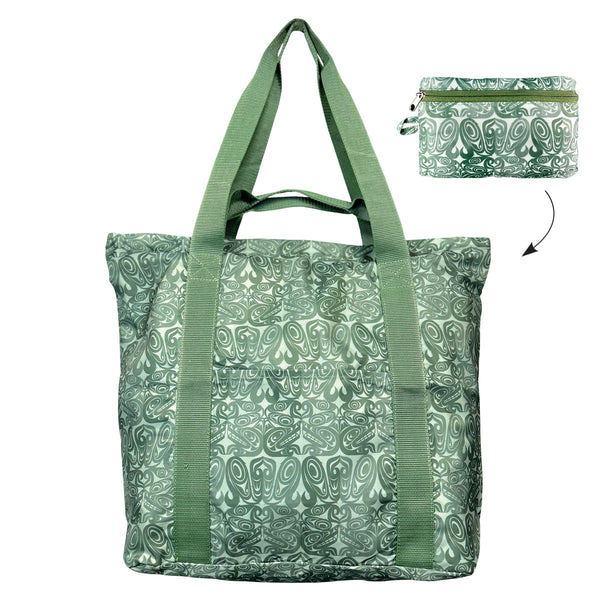
Urban Wolf - Packable Tote Bag
$33.99
No products match these filters. to see everything.