
Hummingbird
Stand by a feeder on a warm afternoon and you'll hear the pesk'a before you see it. A small whir, a pause, and there it is, hanging in the air an arm's length away, deciding whether you're worth its time. Pesk'a is hummingbird in Halq'eméylem, the language of the Stó:lō people, and once one has clocked your feeder it comes back again and again, because a hummingbird remembers every good flower it has ever found.
The orange ones are Rufous, and they have a reputation. A Rufous weighs less than a five-cent piece and will still chase off a bird twice its size, then sit on a branch daring it to come back. They cross the better part of a continent twice a year to spend a few months here, which is a lot of nerve for something that small. The green ones are Anna's, around all year now, flashing a colour that won't sit still. Look again a second later and the same bird has changed.


For a lot of people on this coast, the first hummingbird of the year is how you know spring has really arrived. In Coast Salish art the hummingbird is a messenger of joy. There's a story that gets told about why it never stops moving from flower to flower: it was sent to thank the flowers for making the world a nicer place, and it just never finished the job.
So hang a feeder, leave the window open, and wait. Sooner or later one shows up, and the rest takes care of itself. Kw'atset te p'esk'a, goes the Halq'eméylem phrase: look at the hummingbird.
In the Hummingbird collection
39 of 39 pieces by Indigenous artists
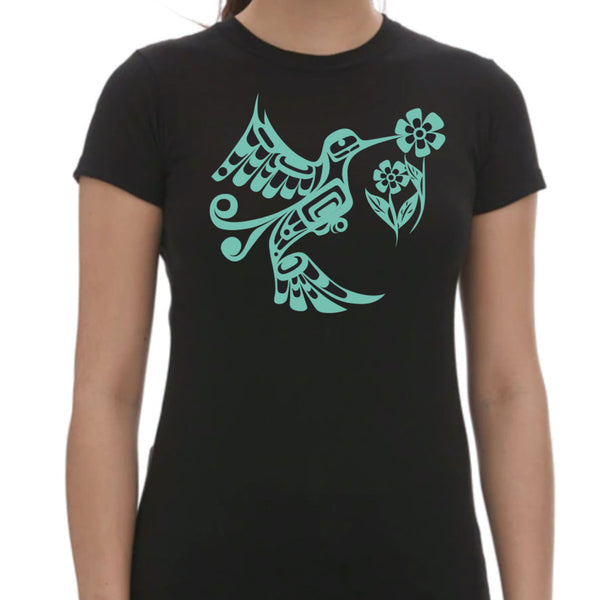
T-Shirt - Hummingbird
From $28.00
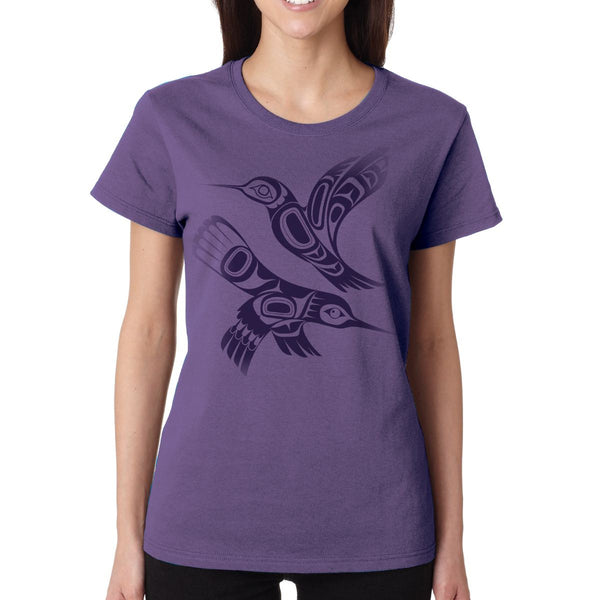
T-shirt - Infinite Joy
From $28.00
Sold out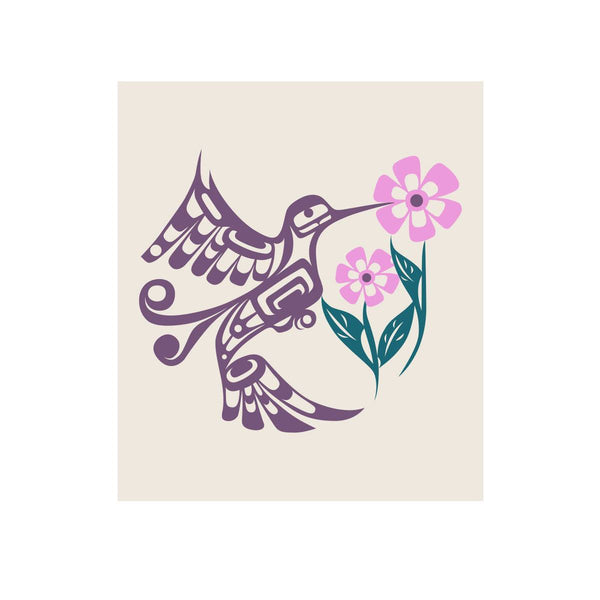
Eco Cloth - Hummingbird
$6.00
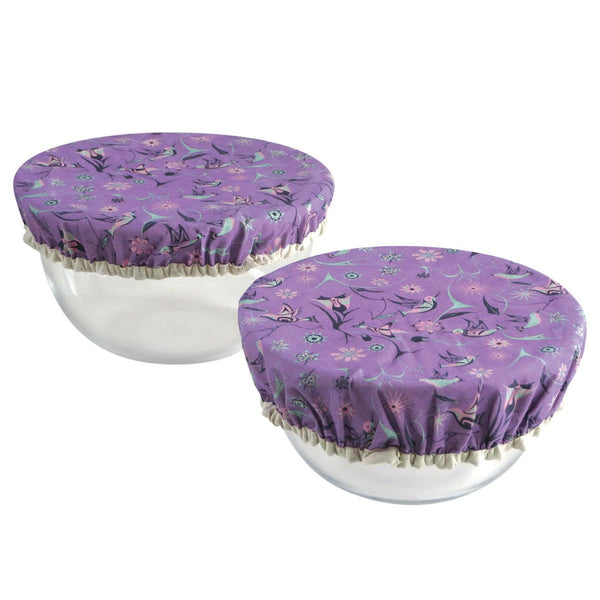
Reusable Bowl Covers - Hummingbirds
$18.99
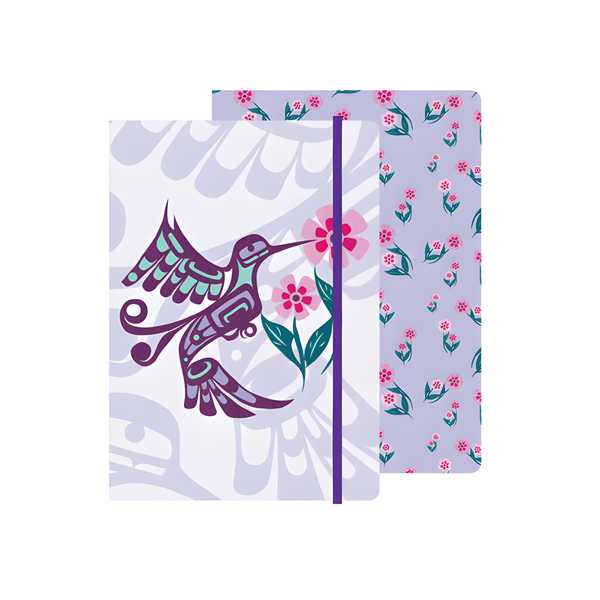
Journal - Hummingbird
$14.99
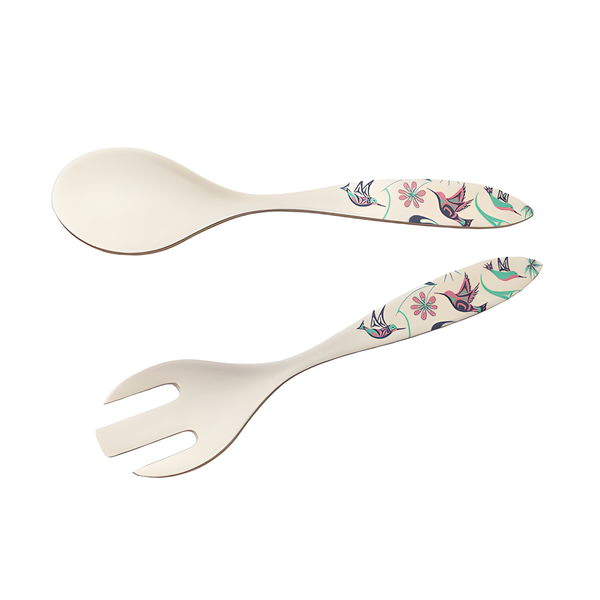
Bamboo Servers - Hummingbirds
$18.99
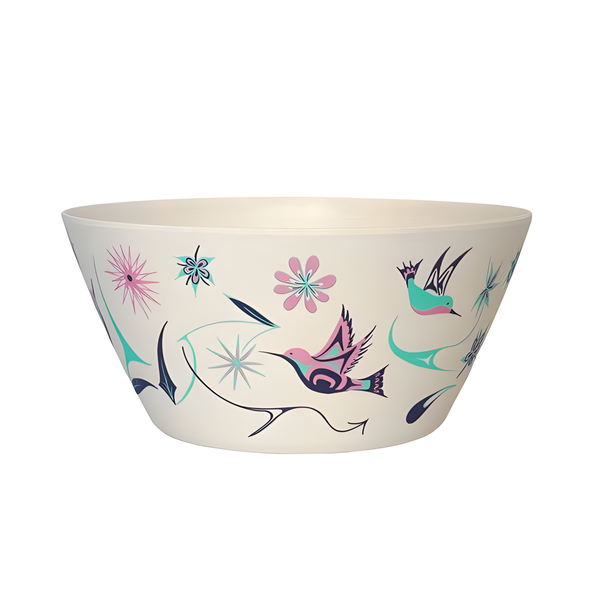
Bamboo Bowl 10" - Hummingbirds
$33.99
Sold out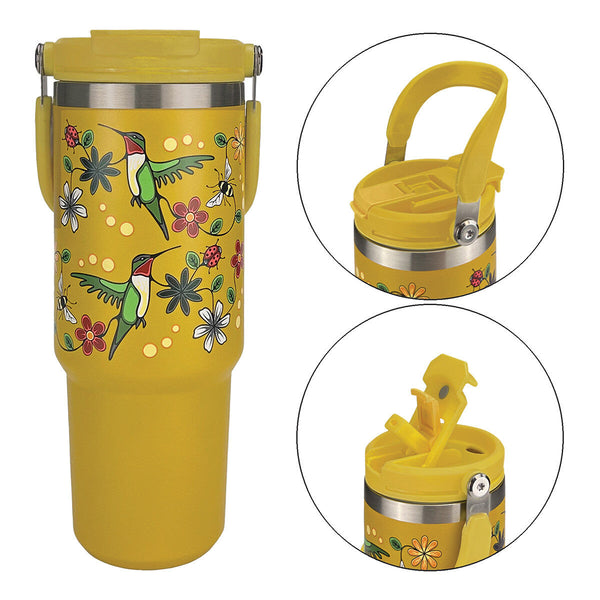
Easy-Carry Insulated Tumbler (30oz) - Hummingbird (Nenookaasi)
$46.99
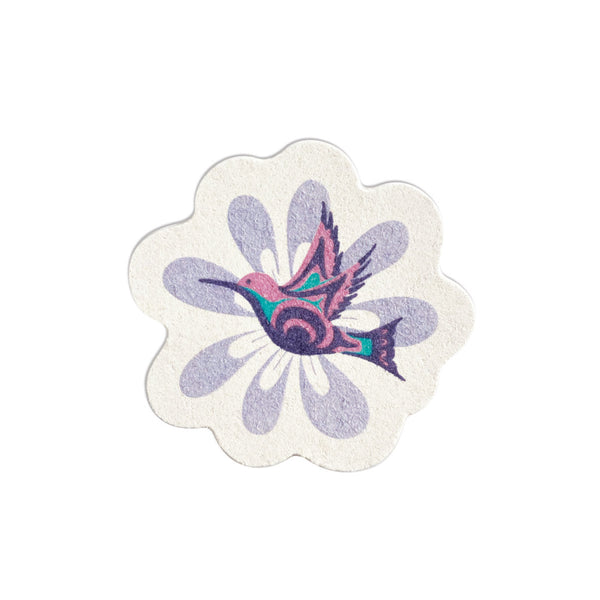
Eco Sponges - Hummingbird
$3.49
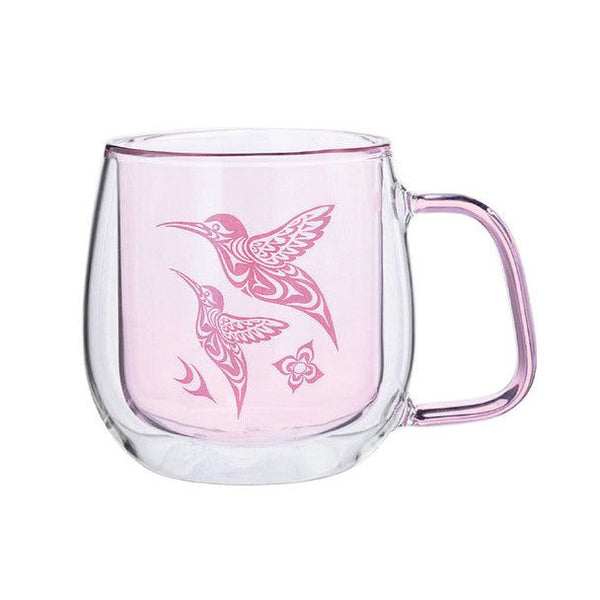
Double Walled Coloured Glass Mug - Hummingbird
$27.00
Sold out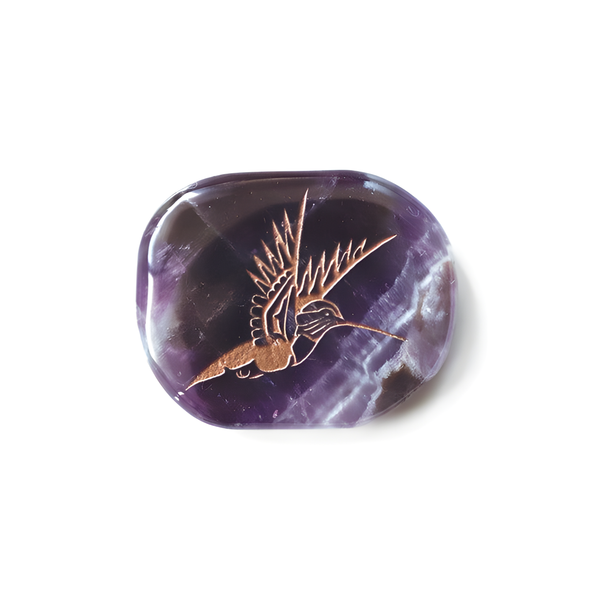
Spirit Stone - Amethyst Hummingbird
$7.99
Sold out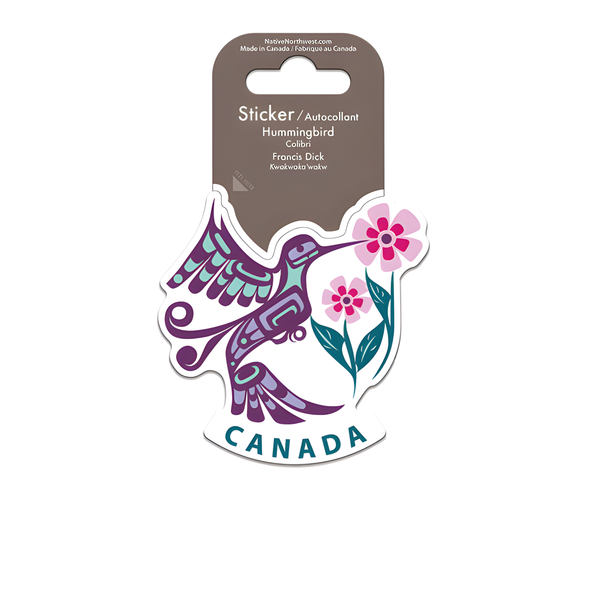
Sticker - Hummingbird (Canada)
$5.49
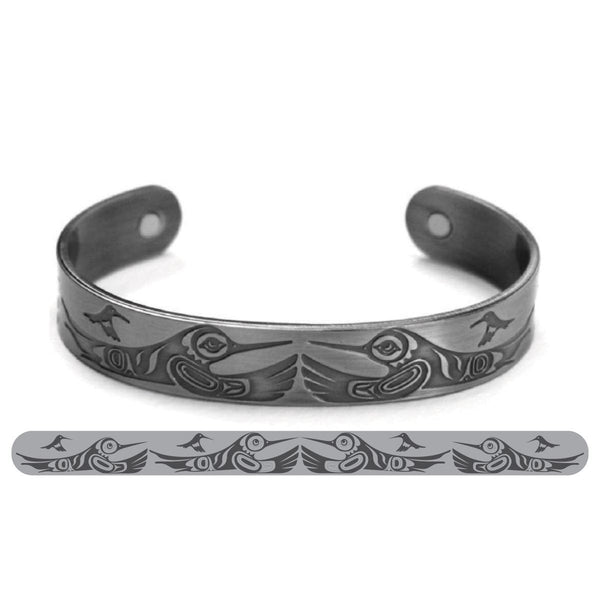
Silver Brushed Copper Bracelet - Hummingbirds
$28.00
Sold out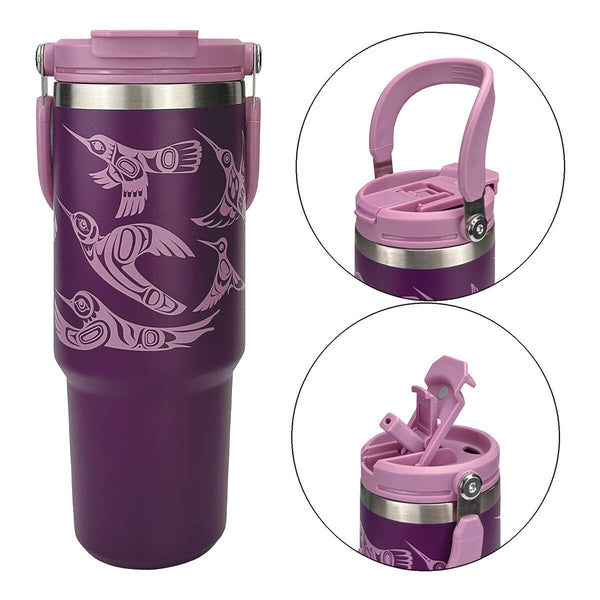
Easy-Carry Insulated Tumbler (30oz) - Hummingbirds
$46.99
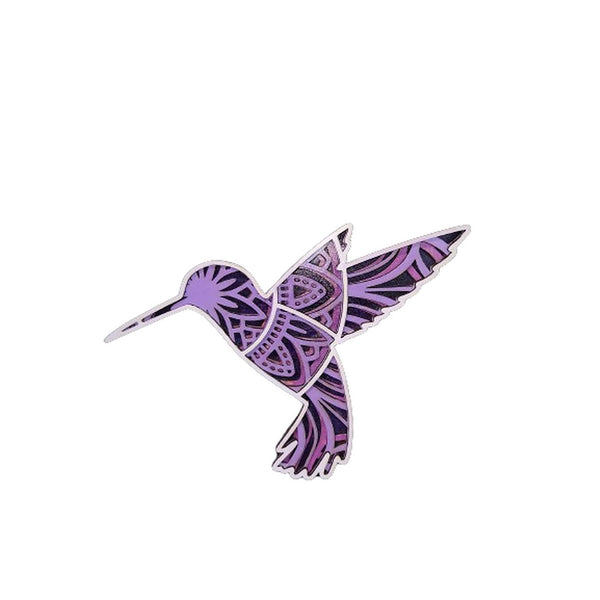
Hummingbird Wooden Layered Art
$36.99
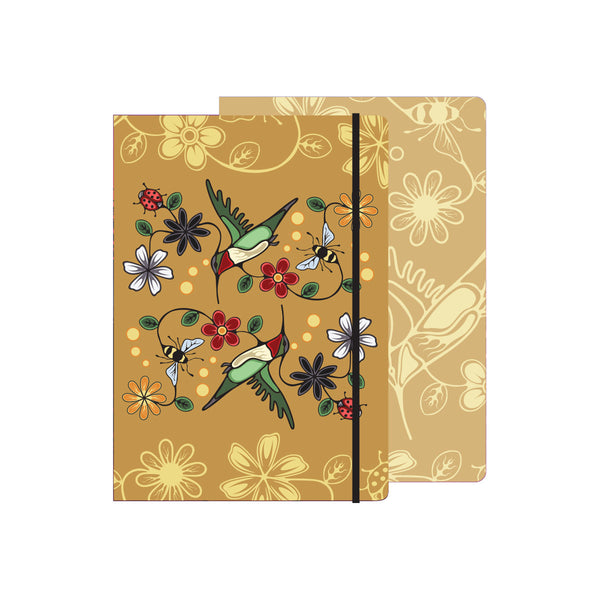
Journal - Hummingbird (Nenookaasi)
$14.99
Sold out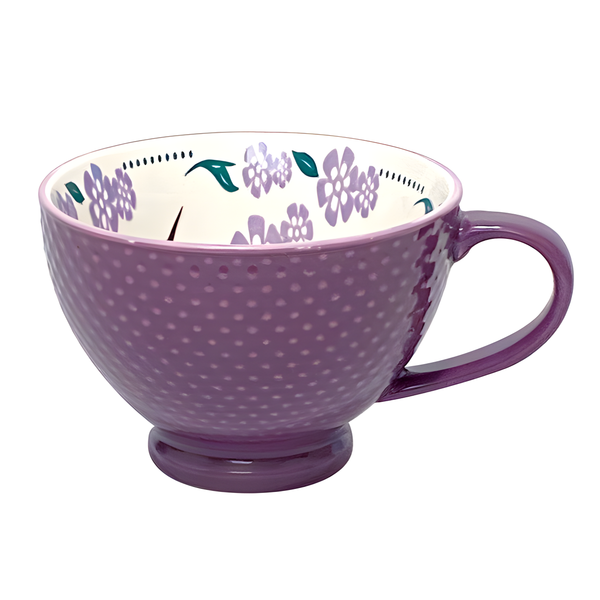
Porcelain Art Mug - Hummingbird
$18.99
Sold out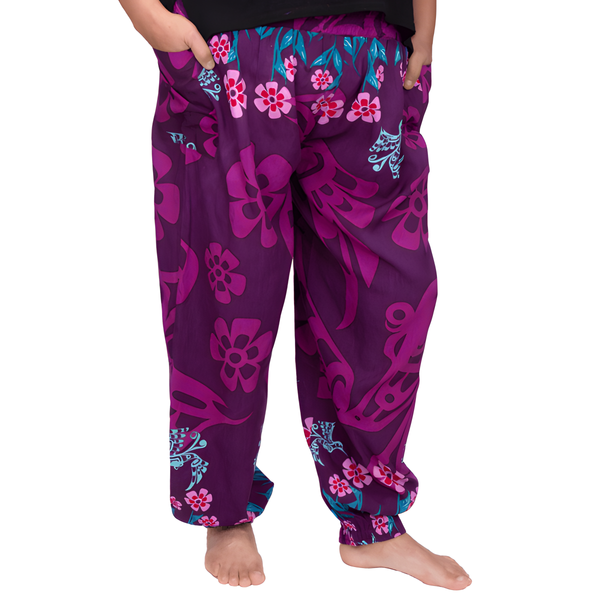
Comfy Pants - Hummingbird
From $20.00
Sold out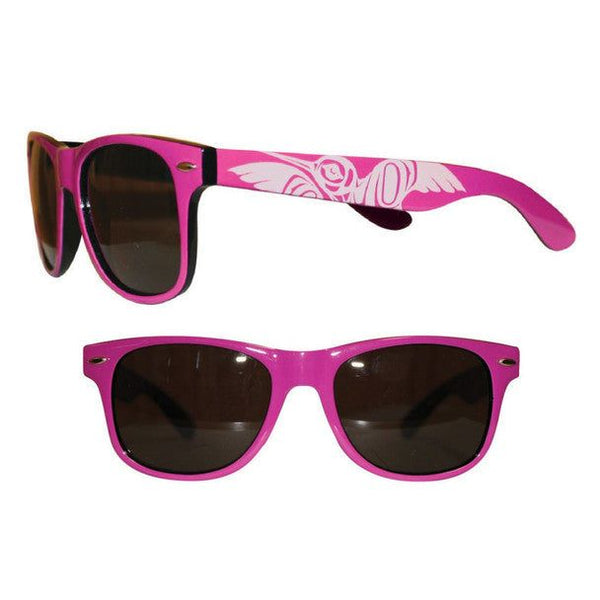
Women's Sunglasses (Duotone) - Hummingbird
$22.00
Sold out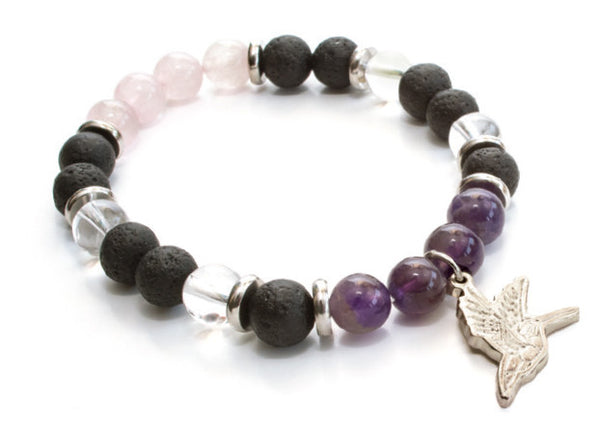
Healing Bracelet - Hummingbird
$19.99
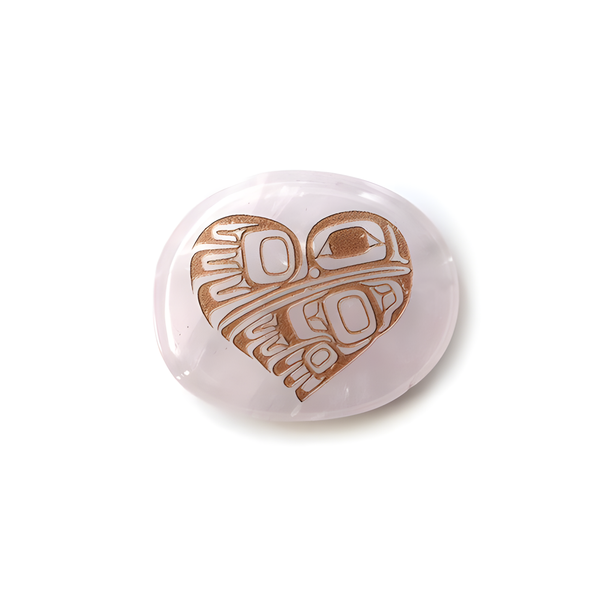
Spirit Stone - Rose Quartz Hummingbird Heart
$7.99
Sold out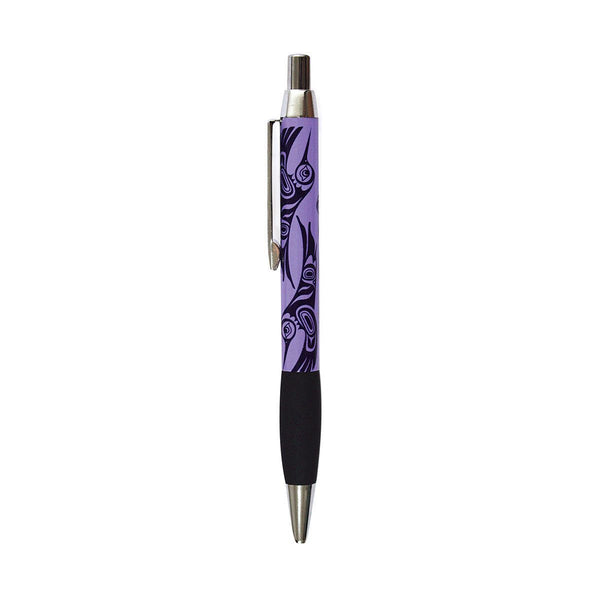
Pen - Hummingbird
$5.99
Sold out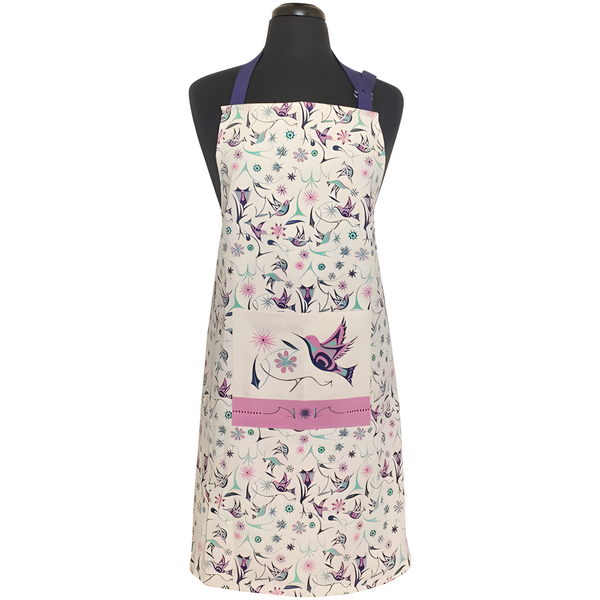
Apron - Hummingbirds
$24.00
Sold out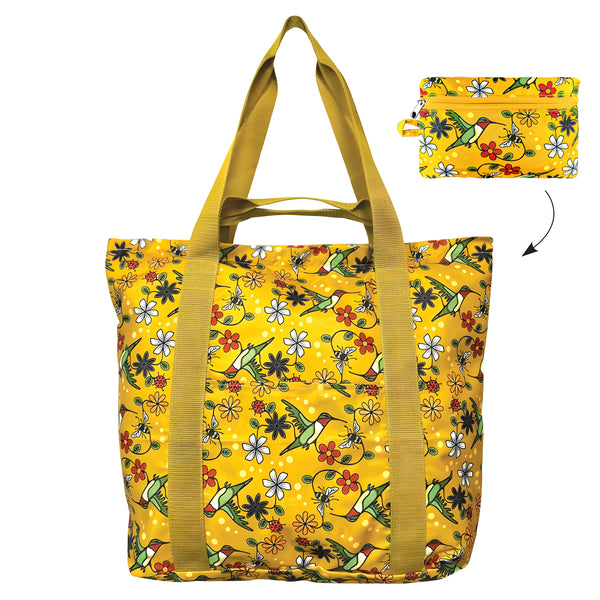
Packable Tote Bag - Hummingbird (Nenookaasi)
$33.99
Sold out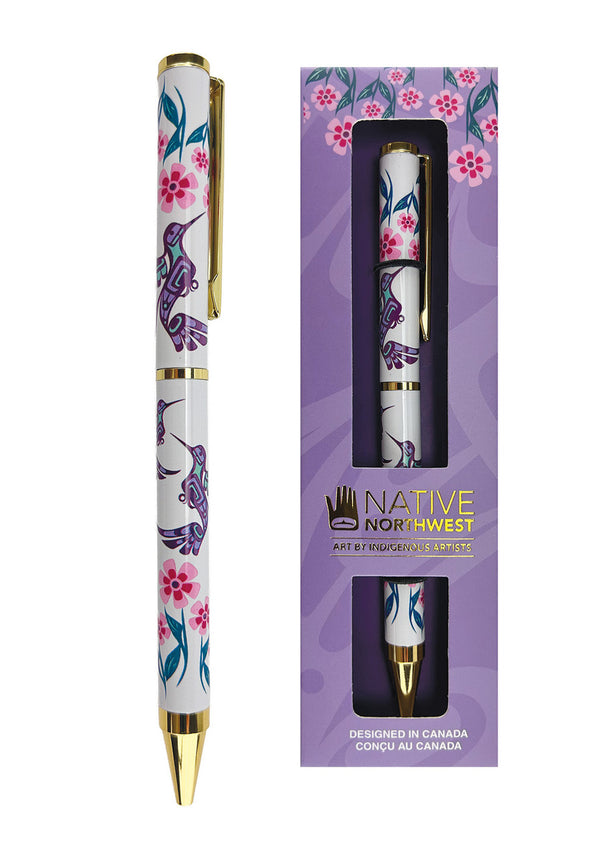
Premium Ballpoint Pen - Hummingbird
$10.99
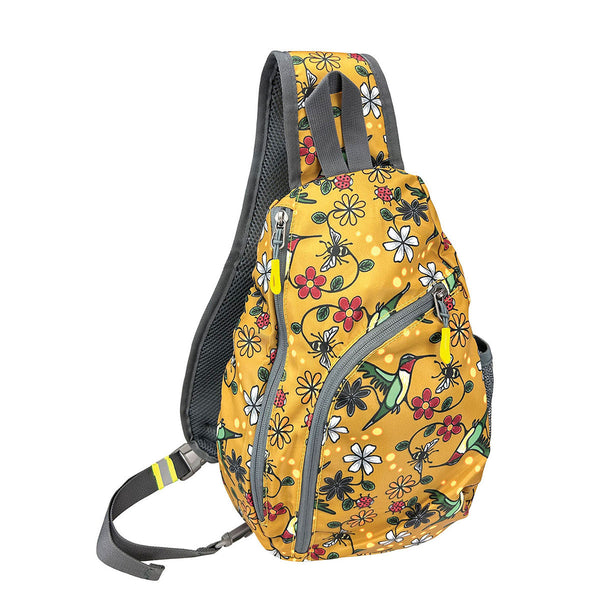
Sling Pack - Hummingbird (Nenookaasi)
$48.99
Sold out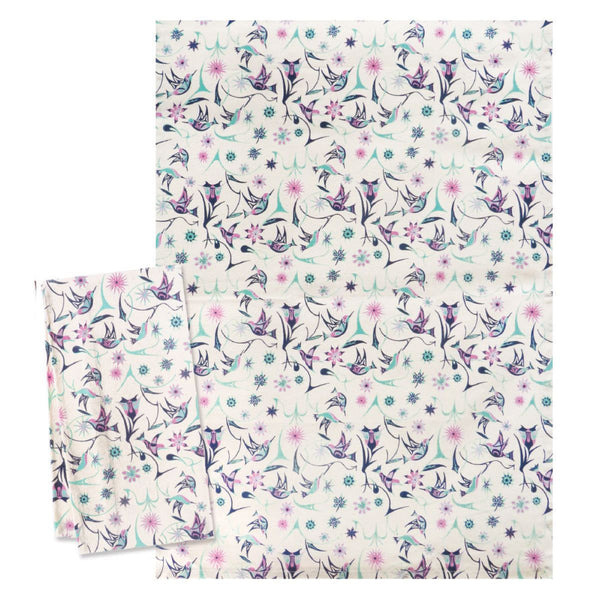
Printed Tea Towel - Hummingbirds
$13.99
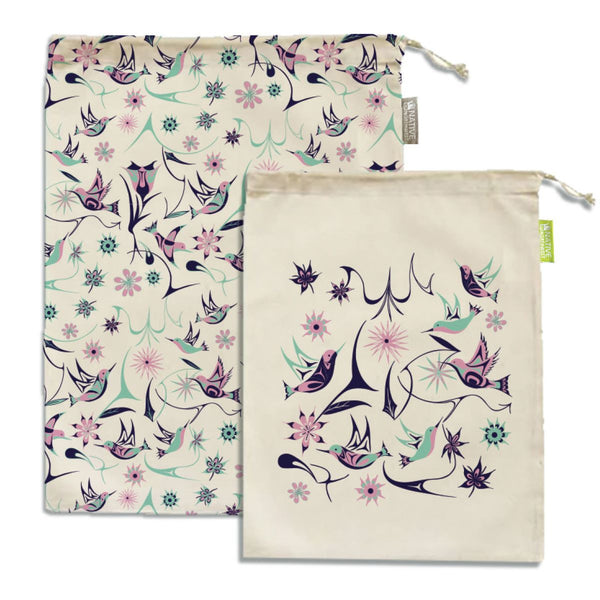
Set of 2 Reusable Produce Bags - Hummingbirds
$16.99
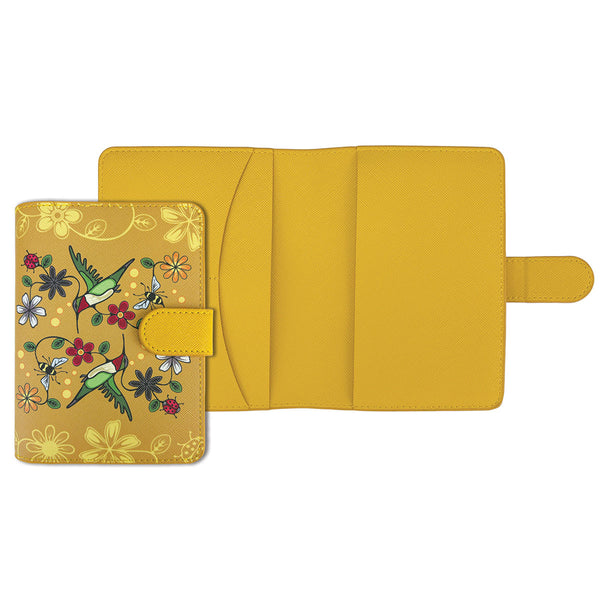
Passport Holder - Hummingbird (Nenookaasi)
$18.99
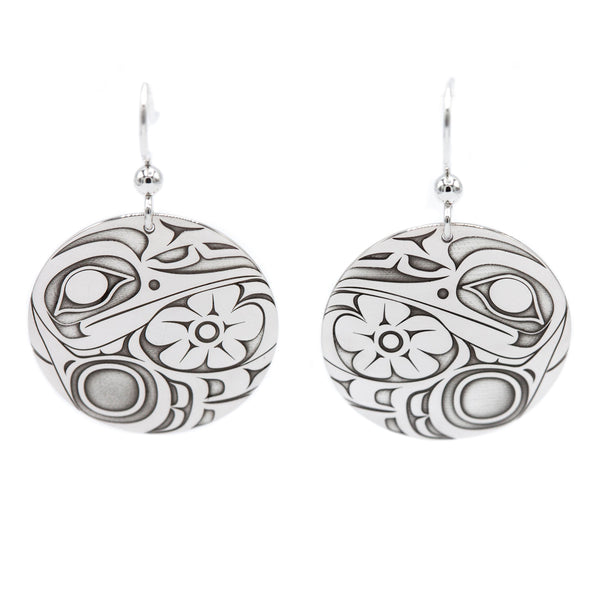
Hummingbird Panel Earrings by Ksim La'gil'ensxw
$200.00
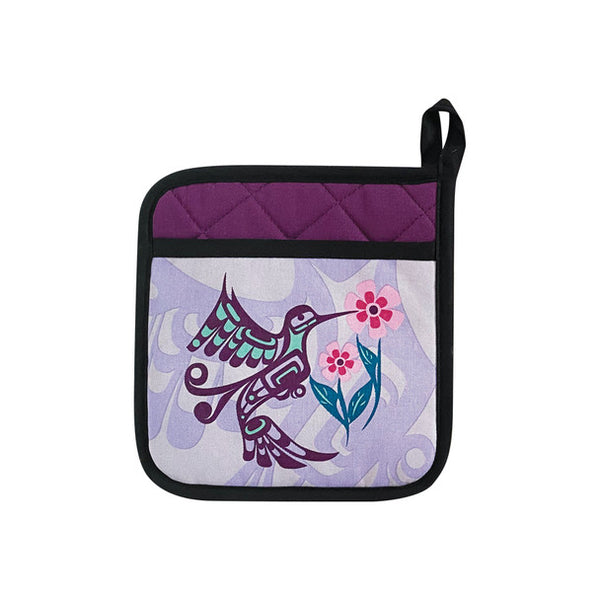
Potholder - Hummingbird
$13.00
Sold out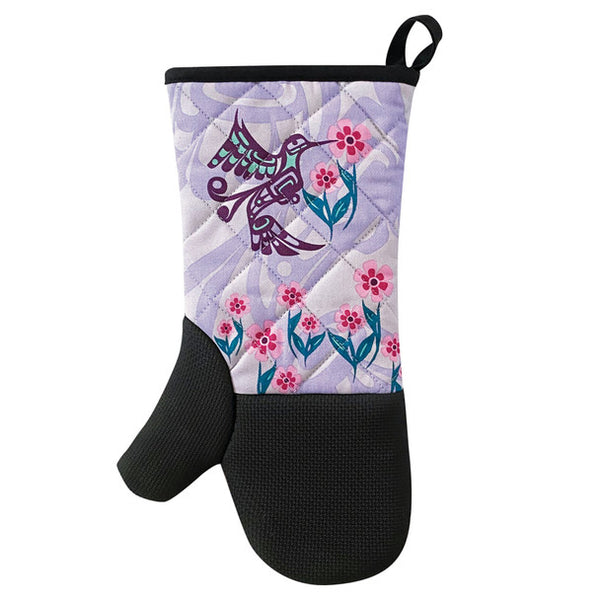
Oven Mitt - Hummingbird
$15.00
Sold out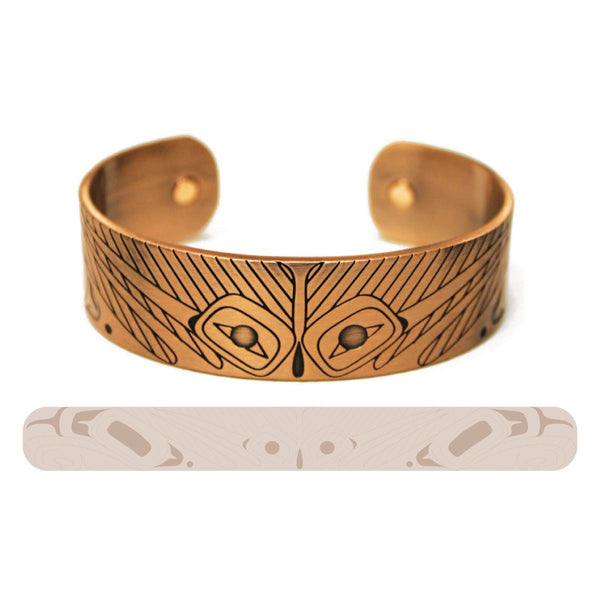
Copper Plated Bracelet - Hummingbird
$28.00
Sold out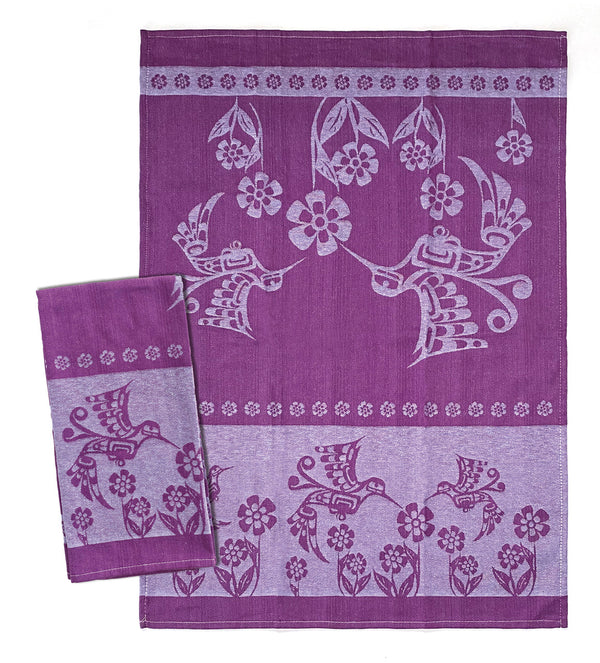
Tea Towel - Hummingbird
$13.99
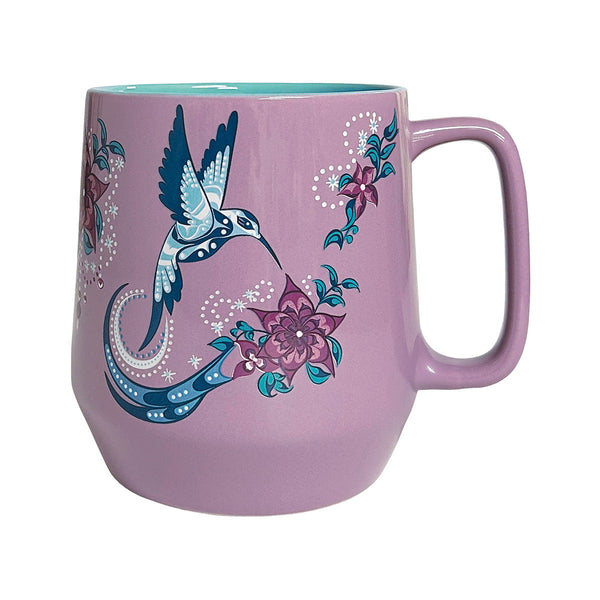
Big Ceramic Mug (20oz) - Hummingbird by Deanna Samuel
$18.99
Sold out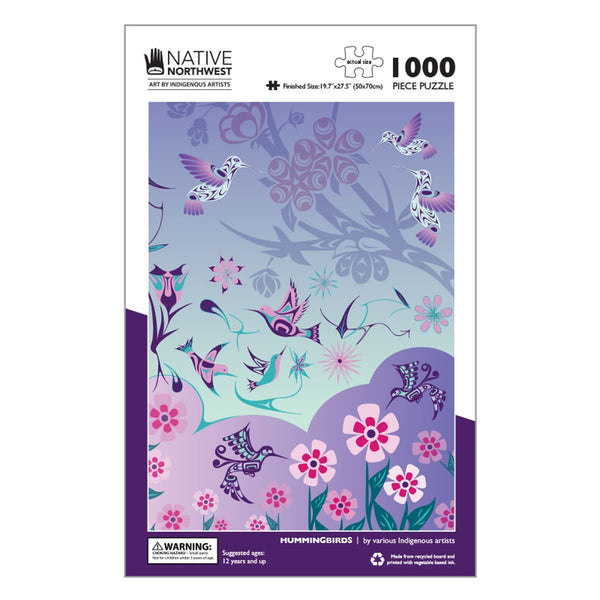
1000 Piece Jigsaw Puzzle - Hummingbirds
$25.99
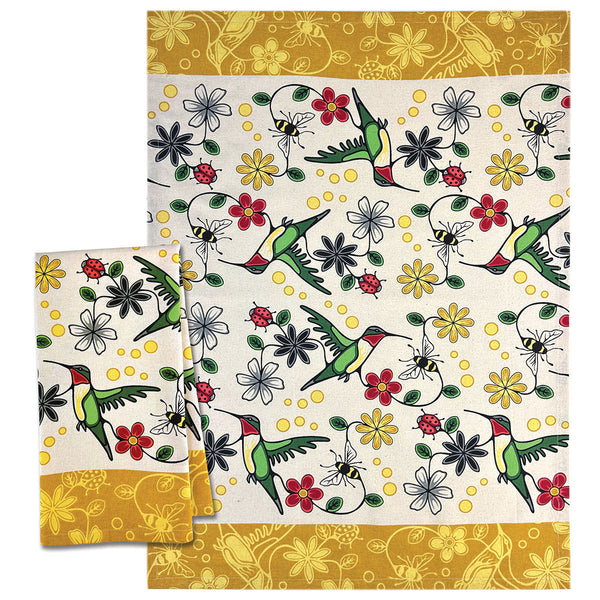
Printed Tea Towel - Hummingbird (Nenookaasi)
$13.99
Sold out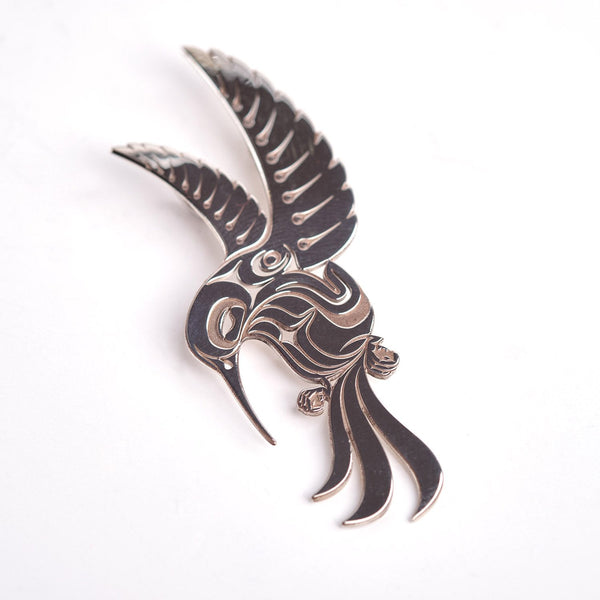
Hummingbird in Flight Pendant by John Velten
$220.00
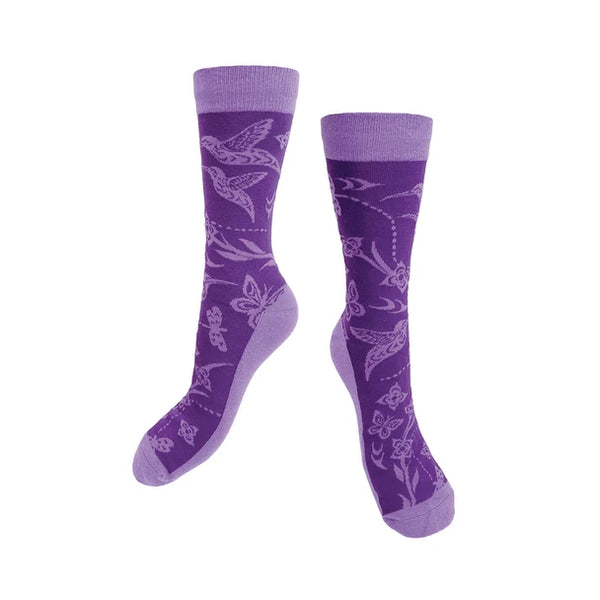
Art Socks - Hummingbird
$18.99
No products match these filters. to see everything.