
Sasquatch
This has been Stó:lō land, Coast Salish territory, for a very long time, and for just as long there have been stories about the big fellow in the trees. The word for him in Halq'eméylem, the language of the Stó:lō people, is sásq'ets, which the rest of the world heard and turned into Sasquatch. It means, plainly, "hairy man." Drive the back roads past Harrison at dusk and you will understand how the stories start. Something tall at the treeline, too upright for a bear, gone before your headlights come around.
Almost everyone out here has a version of that night. The cousin who swears by it. The hiker who came back quieter than they left. He keeps to the edges, shows up when you are not quite looking, and is gone by the time you are sure. For something nobody can ever produce, he is remarkably good company around a fire.


The name travelled because of a schoolteacher. In the 1920s a man named J.W. Burns, who taught near Harrison, started writing down the accounts people told him and sending them to the Vancouver papers. Readers loved them, and sásq'ets walked off into every forest on the continent. Harrison leaned all the way in and calls itself the Sasquatch capital to this day.
So if you are ever out that way and something steps off the road ahead of you, taller than it has any right to be, do not bother reaching for your phone. You will not get the shot. Nobody ever does. Just say the old word for him under your breath, sásq'ets, the hairy man, and keep an eye on the treeline.
In the Sasquatch collection
14 of 14 pieces by Indigenous artists
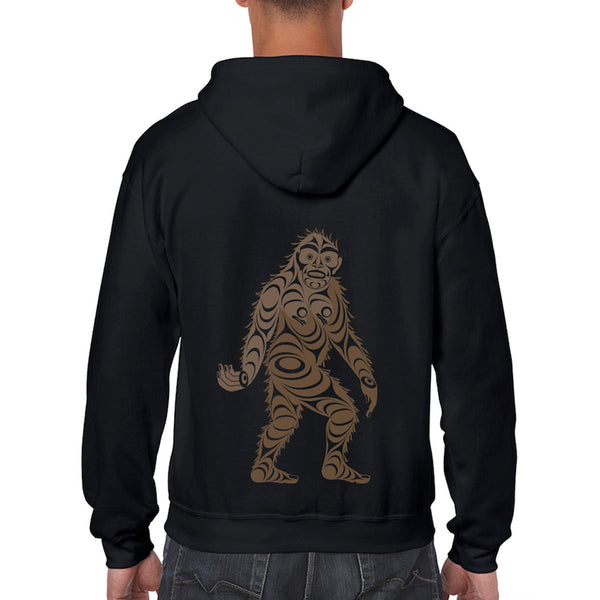
Zippered Hoodie - Sasquatch
From $74.00
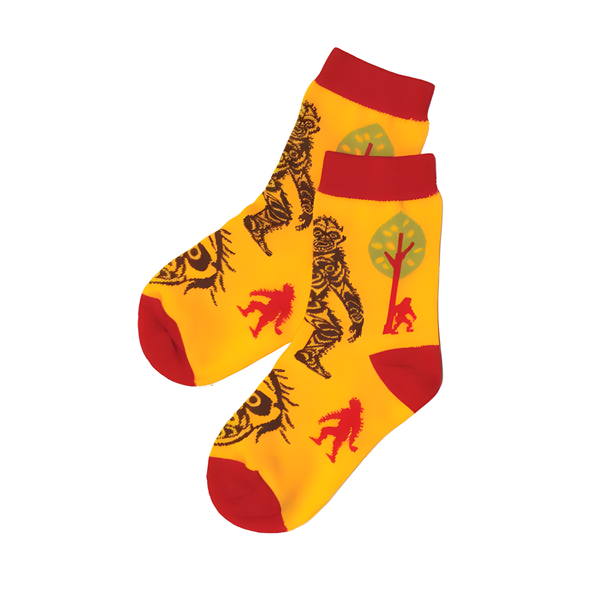
Kids Socks - Sasquatch
From $10.00
Sold out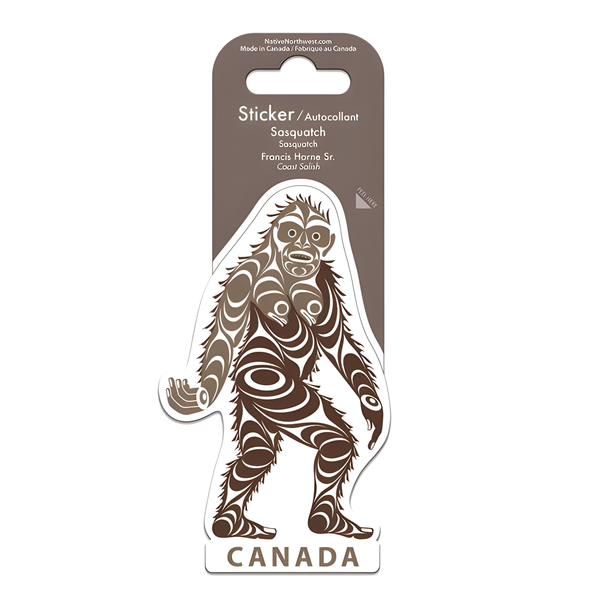
Sticker - Sasquatch (Canada)
$5.49
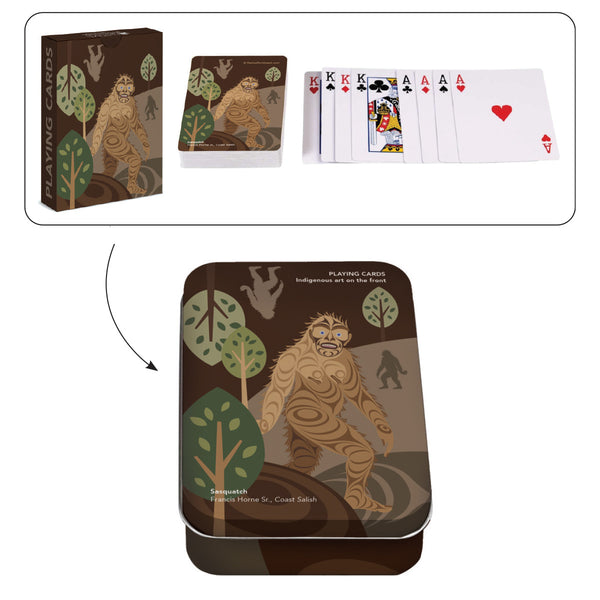
Playing Cards - Sasquatch
$9.99
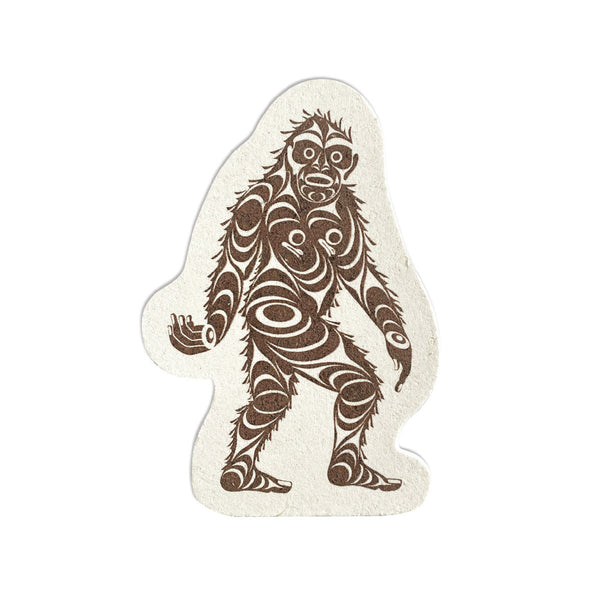
Eco Sponges - Sasquatch
$3.49
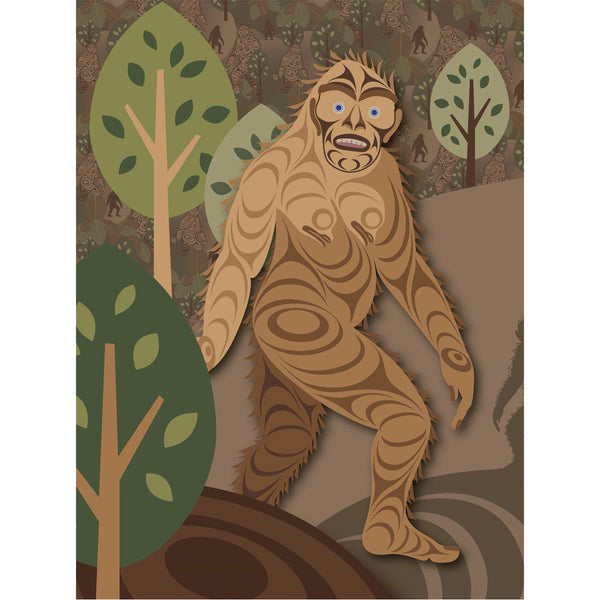
Folding Card - Sasquatch
$5.99
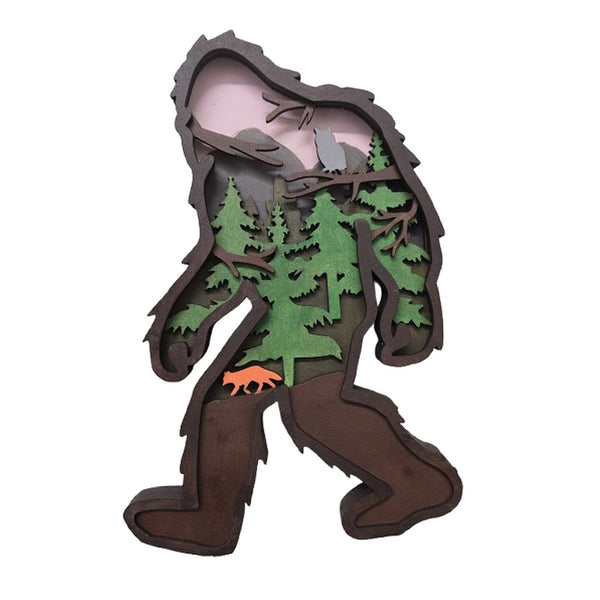
Sasquatch Wooden Layered Art Large
$210.00
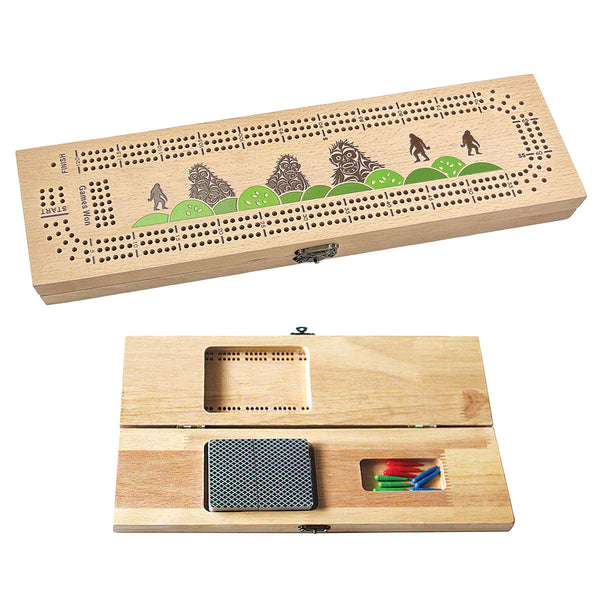
3-Track Cribbage Board - Sasquatch by Francis Horne Sr.
$36.99
Sold out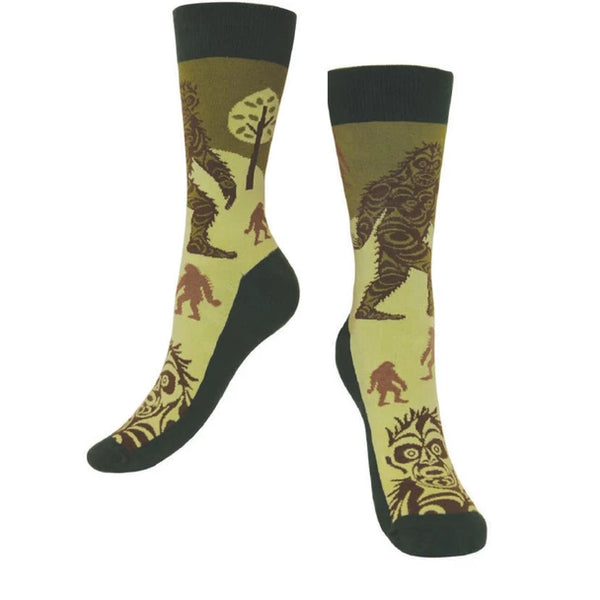
Art Socks - Sasquatch
$18.99
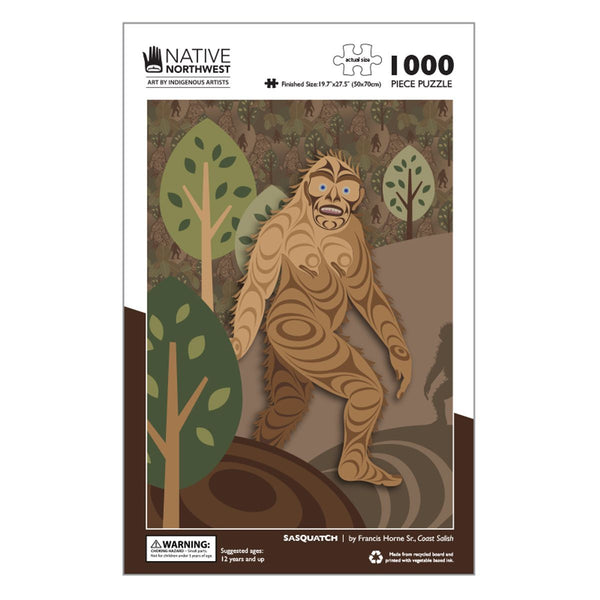
1000 Piece Jigsaw Puzzle - Sasquatch by Francis Horne Sr.
$25.99
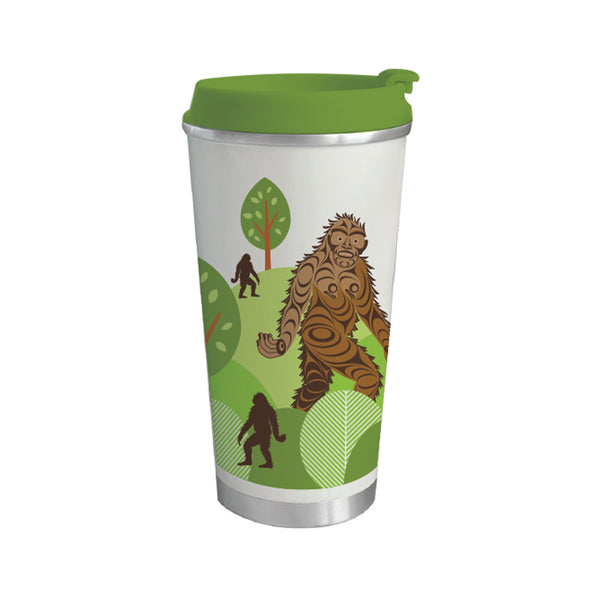
Art Travel Mug (18oz) - Sasquatch by Francis Horne Sr.
$32.99
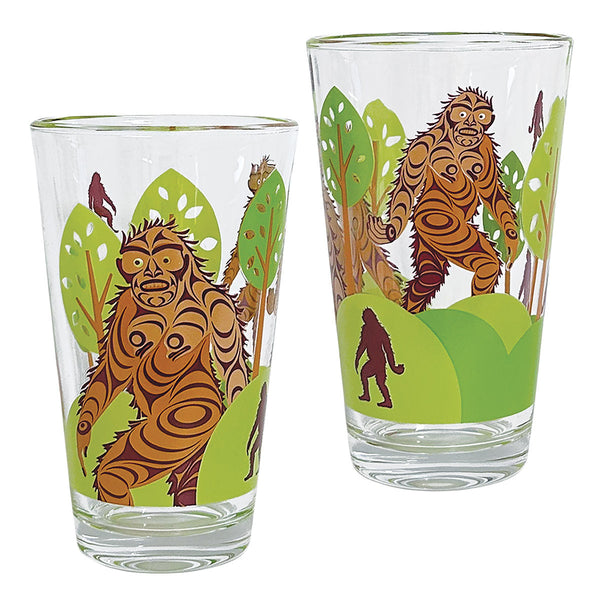
Printed Glass Tumblers (Set of 2) - Sasquatch
$14.99
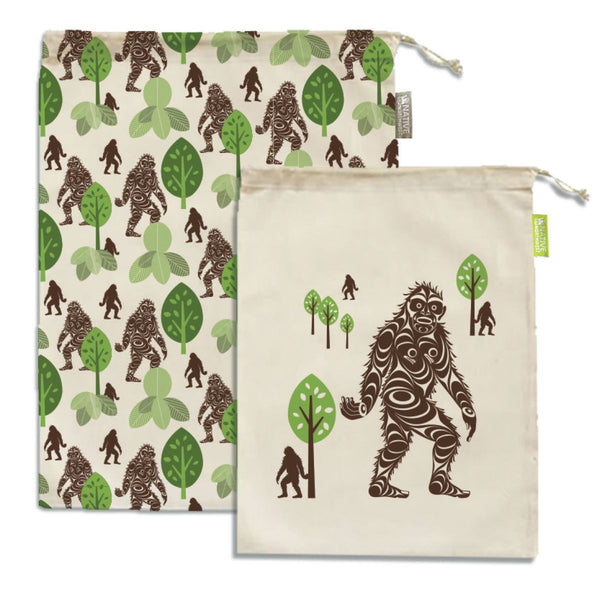
Set of 2 Reusable Produce Bags - Sasquatch
$16.99
Sold out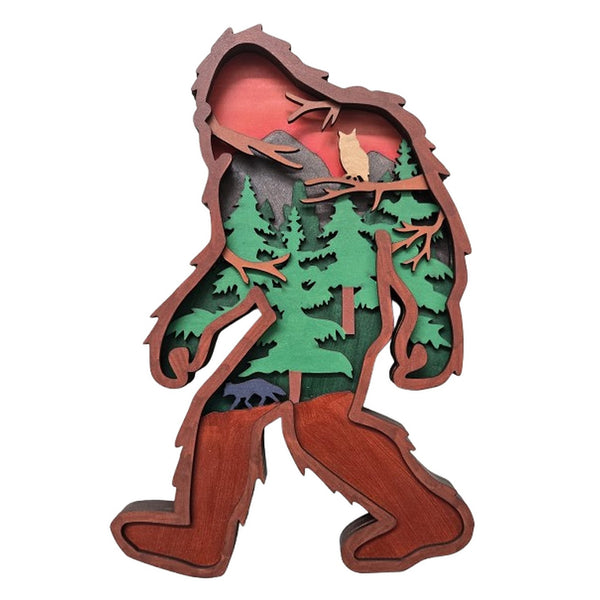
Sasquatch Wooden Layered Art
$59.99
No products match these filters. to see everything.