
Frog
The first warm night of spring, a pond you have walked past all winter without a second thought suddenly will not shut up. Dozens of voices going at once, loud enough that it is hard to believe it is coming from something that would fit on a coin. That is the Pacific tree frog, the little green one, and on Stó:lō land the Halq'eméylem word for it is pípehò:m. You will almost always hear it long before you ever see it.
It is the most common frog on this whole coast, small enough to sit on your thumb, and it changes colour with the weather and the day. The males do the singing, a quick two-note krek-ek over and over, every one of them calling at the same time and every one of them trying to be heard first. By morning the pond has gone quiet and the singers are tucked back under the leaves, waiting for dark to do it all again.


For a lot of people here, that first racket is how you know winter is finally done with you. In Coast Salish and other Northwest Coast art the frog is the one who keeps the seasons, the voice that says the cold part of the year is over and it is time to start again. It is at home in the water and on the land, easy in both, never stuck in one place for long.
Patient, content, in no hurry, sitting where it sits for as long as it likes. Pípehò:m, the first sound of spring.
In the Frog collection
8 of 8 pieces by Indigenous artists

Frog Breakfast Blend Coffee
$27.99
Sold out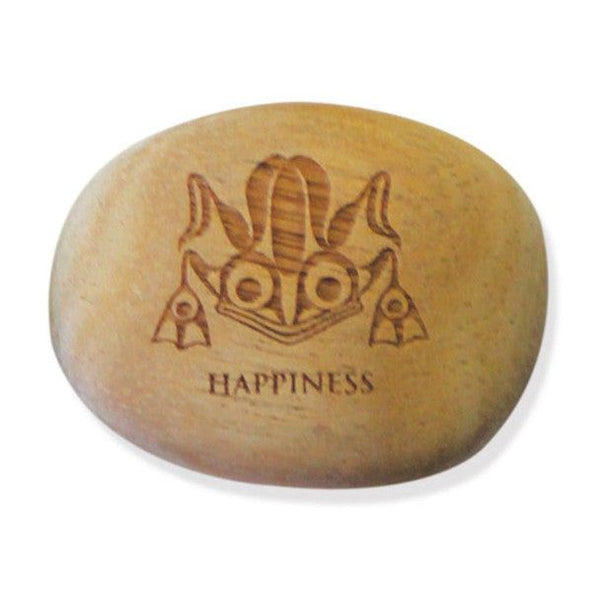
Totem Spirit - Frog (Happiness)
$3.49
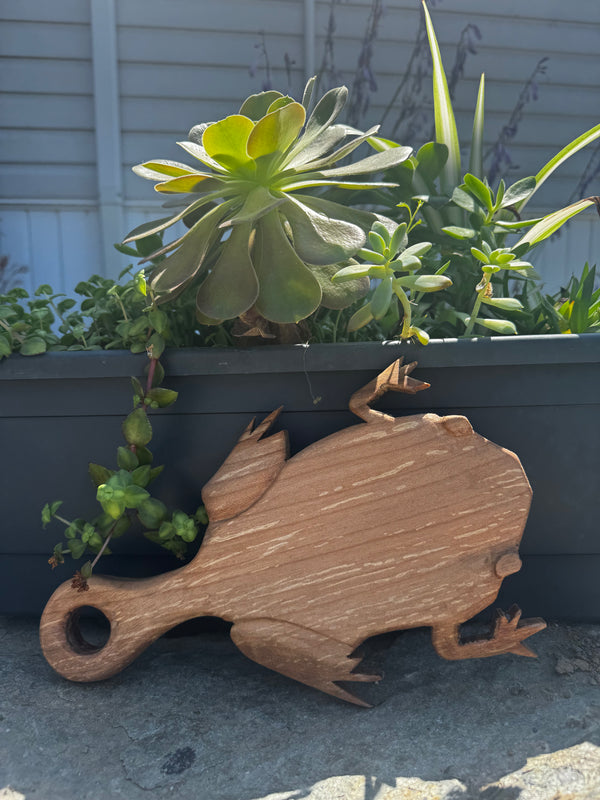
Handmade Maple Cutting Board | Frog
$80.00
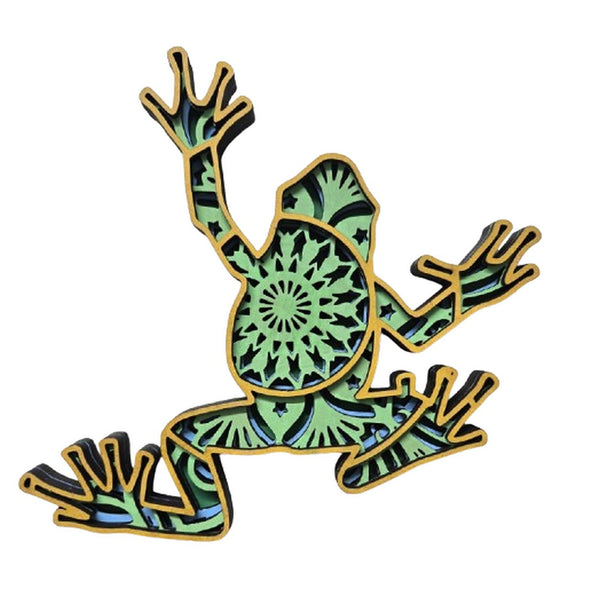
Frog Wooden Layered Art
$36.99
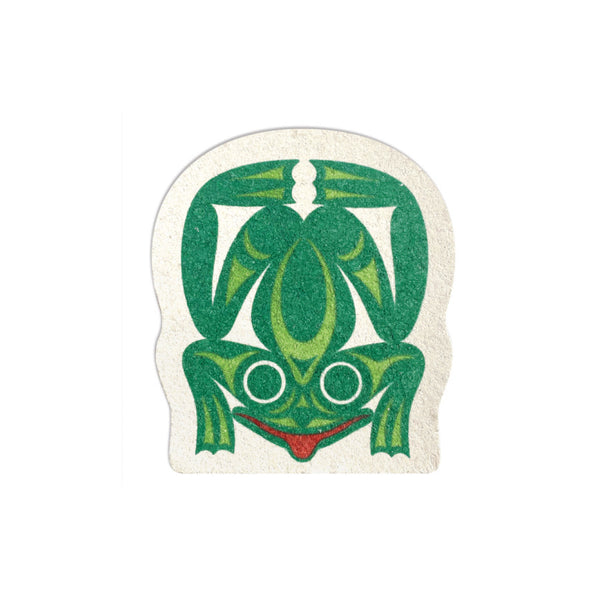
Eco Sponges - Frog
$3.49
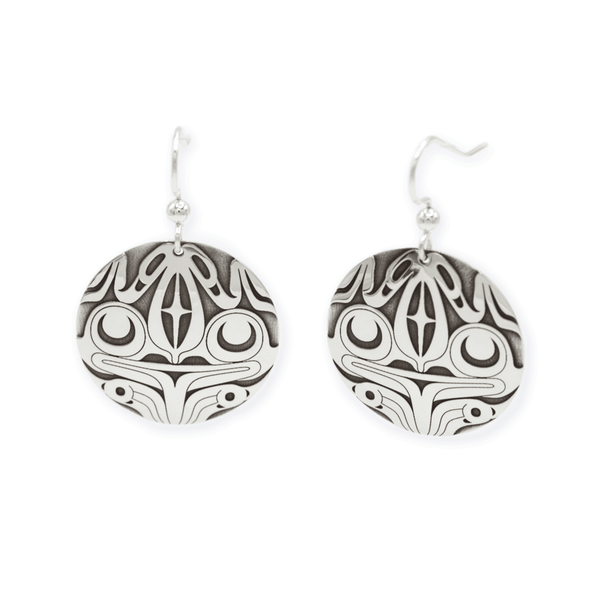
Frog Panel Earrings by Karen Francis
$200.00
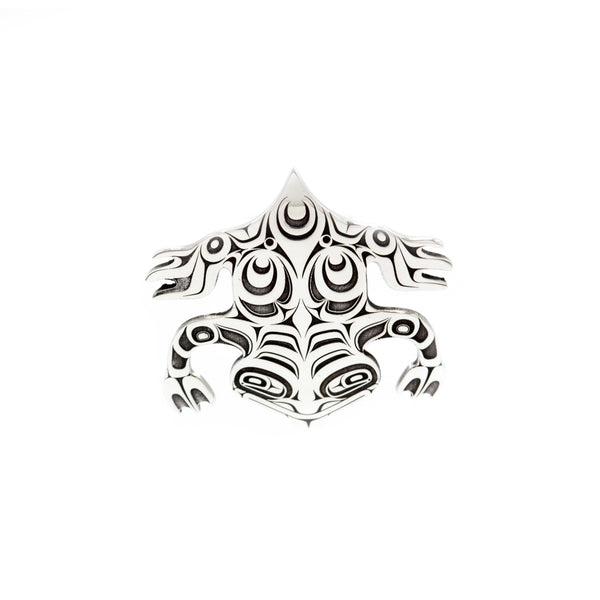
Frog Pendant by John Velten
$180.00
Sold out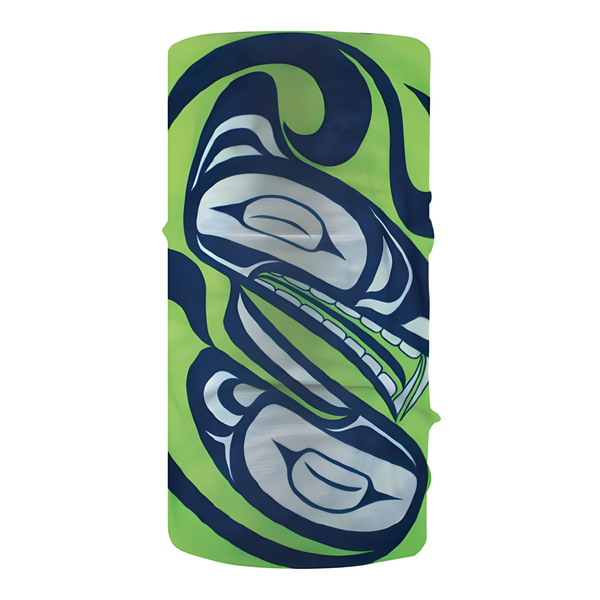
Multifunctional Headwear - Wolf and Frog
$15.00
Sold outNo products match these filters. to see everything.